
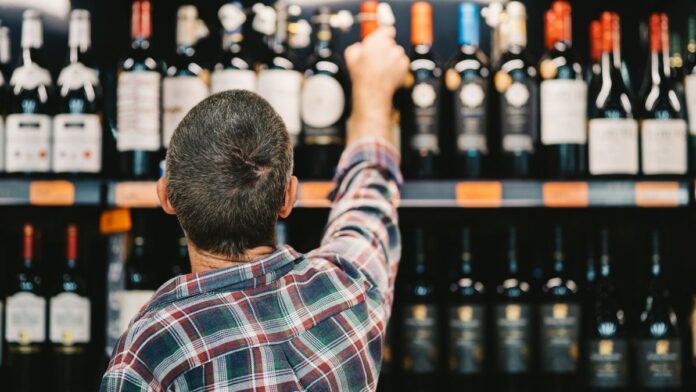
Britons have been alerted to an increase in the cost of their preferred alcoholic beverages starting today due to a new tax hike that coincides with the end of Dry January.
Alcohol duty has gone up by 3.66%, aligning with RPI inflation. This adjustment translates to an additional 11p for a bottle of Prosecco with 11% alcohol by volume (ABV), 14p for a bottle of red wine with 14.5% ABV, and 38p for a bottle of gin with 37.5% ABV, as reported by the Wine and Spirit Trade Association (WSTA).
The decision to raise the duty was finalized last year as part of the Autumn Budget. Industry leaders in wine and spirits have indicated that price hikes are necessary for businesses to remain viable.
In the previous year, drinkers experienced a 3.6% surge in alcohol duty, leading to an increase of 54p for a bottle of wine and 32p for gin, while draught duty saw a reduction of 1.7%, equivalent to a penny off a pint.
Simultaneously, a new taxation system was introduced where wine is now taxed based on its strength. The WSTA mentioned that the tax on a bottle of 14.5% red wine has risen by £1.10 since the recent alcohol duty structure was implemented in August 2023.
Alcohol duties are influenced by the strength of beverages. Several beer brands, such as Foster’s, Carlsberg, Coors Light, and Sol, have adjusted their alcohol content in recent months to manage costs effectively.
Emma McClarkin, the chief executive of the British Beer and Pub Association, expressed concern about potential price escalations resulting from the tax changes, emphasizing the strain it poses on brewers and publicans.
Miles Beale, the chief executive of the WSTA, highlighted the complexity of price adjustments, especially for wine, which is now taxed based on its alcohol content, leading to increased administrative challenges for the industry.
A Treasury spokesperson justified the alcohol duty increase by stating its significance in maintaining robust public finances that support essential services.
The figures provided by the WSTA demonstrate the price adjustments following the alcohol duty increase, reflecting the impact on consumer costs.

