
In the realm of climate phenomena, the reemergence of the impactful Pacific Ocean warming event known as El Niño is making a significant return, causing disruptions in global weather patterns, coinciding with a period when many regions are already experiencing heightened temperatures.
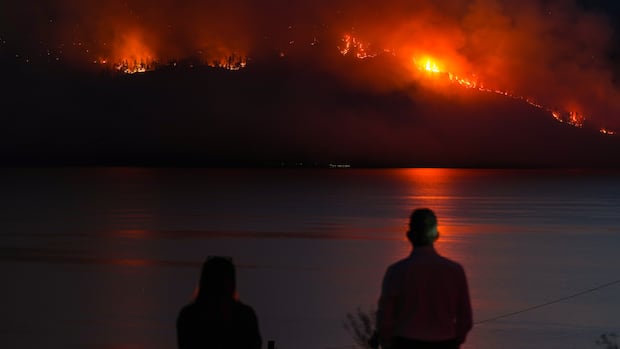
This past July marked a record-breaking heatwave for North America and Europe, leading to numerous heat-related fatalities, depletion of water sources, and extensive fire damage. Canada bore witness to over 4.1 million hectares of forests engulfed in flames, resulting in thick smog engulfing vast areas of the country and parts of the northern U.S.
Although the scorching summer coincided with the onset of El Niño, climate experts clarify that the natural phenomenon is not solely responsible for the recent extreme weather events. However, they caution that the interaction between El Niño and man-made climate change could potentially amplify the intensity of existing extreme weather patterns.
“El Niño’s impacts are anticipated to be widespread and significant across a vast geographical area,” stated Josh Willis, a climate scientist at NASA’s Jet Propulsion Laboratory, emphasizing the impending unpredictable weather patterns.
The occurrence of El Niños every three to seven years, typically commencing in spring and extending into the subsequent year, results from a rise in sea surface temperatures by at least 0.5 degrees Celsius in the Pacific Equatorial region. This warming effect triggers atmospheric changes, leading to contrasting weather conditions, such as increased rainfall in arid regions and droughts in traditionally wet areas.
Experts highlight that this El Niño, potentially forming since May and June, could potentially reach its peak impact in late fall and winter, affecting regions like Canada. Muhammad Azhar Ehsan, a scientist at the Center for Climate Systems Research in New York, acknowledges the unprecedented nature of this El Niño and its potential contribution to ongoing heatwaves and wildfires.
Forecast models indicate that Canada and the northern U.S. should brace for a warmer winter due to El Niño, with British Columbia’s southern coast likely to witness reduced precipitation and snowfall. Conversely, the southern U.S. is expected to experience increased rainfall during the winter months.
In regions directly impacted by El Niño, such as Peru and Ecuador, there are concerns about potential flooding and droughts. The repercussions of El Niño are also evident in other areas, like Panama and Indonesia, where adverse weather conditions are already causing disruptions, including challenges for fisheries and an extended wildfire season.
El Niño’s influence extends to the hurricane season, affecting storm formation in different ocean basins. The Atlantic Ocean typically experiences fewer hurricanes during an El Niño year due to altered jet stream patterns, redirecting storm paths. Meanwhile, the Eastern Pacific region has already observed several named storms, including Hurricane Genevieve and Tropical Storm Lala.
Climate scientists emphasize that the current El Niño event is unfolding in a world already grappling with the impacts of climate change. The combination of these factors is expected to have lasting effects well into the upcoming year, defying conventional climate projections.
As the world navigates through this period of heightened climate activity, the ongoing research and monitoring of El Niño remain crucial in understanding and mitigating the broader implications of these interconnected climate events.

