
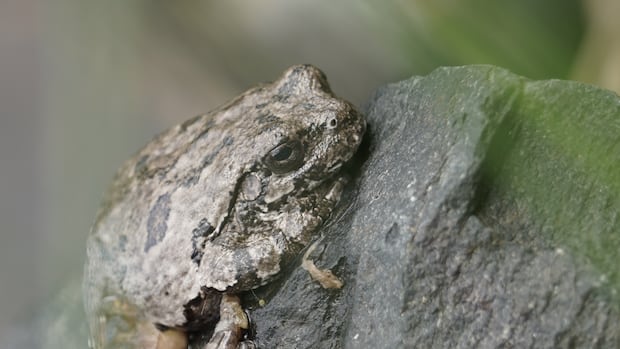
Researchers in Manitoba are on a mission to uncover signs of a deadly fungal infection affecting frogs and salamanders, known as chytridiomycosis. This disease, caused by fungal pathogens, has devastated amphibian populations globally, leading to the extinction of numerous species. Although chytrid hasn’t been officially detected in Manitoba, experts believe it likely exists due to its widespread presence in other regions.
Chytrid has been responsible for the extinction of over 90 amphibian species and has severely impacted more than 500 others. Described as one of the worst infectious diseases among vertebrates, chytrid has been spreading in North America, including confirmed cases in Ontario and neighboring states.
Efforts are underway to proactively monitor amphibian populations in Manitoba for signs of chytrid infection. Research conducted by graduate student Jackie Tran aims to identify potential habitats where these pathogens could thrive. The study, part of a broader pathogen monitoring program, seeks to prevent further population declines among amphibians in the region.
The health of wetlands, where amphibians reside, is crucial in understanding the overall ecosystem’s well-being. Experts emphasize the interconnectedness of wetland health with the broader environment and human health. By confirming the presence of chytrid in Manitoba, researchers hope to implement measures to protect the region’s amphibians and prevent their decline. Results from field experiments suggest that young frogs can be inoculated against the effects of chytrid, offering hope for their survival in the face of this deadly disease.

