
As the U.S. President, Donald Trump, considers imposing new 50 percent tariffs on various Canadian goods, the president of a steelworkers union in Hamilton expresses concern over the potential impact on the industry. Ron Wells, the president of United Steelworkers (USW) Local 1005, highlighted that existing tariffs have already negatively affected Canadian steel sales to the U.S. He mentioned that further tariffs could lead to increased living costs and have broad implications on businesses that rely on steel producers for supplies.
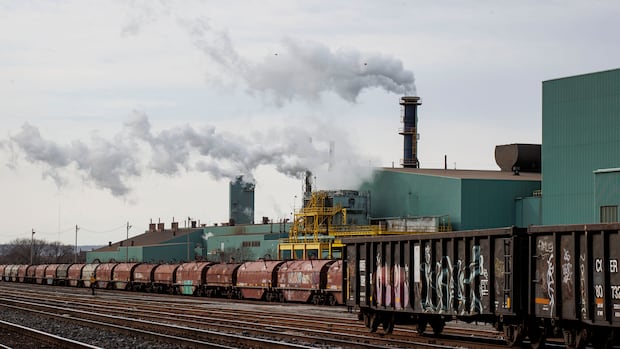
While 50 percent tariffs on steel have been in effect since last year, the exact implications of Trump’s recent statement regarding raising tariffs on steel, automobiles, and auto parts to 50 percent starting January 1 remain unclear. Hamilton houses two major primary steel producers in Canada, namely ArcelorMittal Dofasco and Stelco, along with numerous fabricators.
Wells, representing approximately 620 workers at Stelco, noted a significant slowdown in business activities since the implementation of tariffs. The recent imposition of 50 percent U.S. tariffs on around $28 billion worth of Canadian goods further exacerbates the situation, following the breakdown of trade negotiations between the two countries. Prime Minister Carney has announced retaliatory tariffs on the U.S. effective September 8.
Hamilton Mayor Andrea Horwath expressed concerns about the uncertainty ahead, emphasizing the need for federal and provincial support to assist Canadian workers and industries in navigating the challenges posed by the trade dispute. Likewise, Greg Dunnett, CEO of the Hamilton Chamber of Commerce, highlighted the adverse impacts on the local community, stressing the necessity for support and investment. He described the city as one of the most negatively affected regions.
In response to the escalating trade tensions, Premier Doug Ford emphasized the importance of standing up to unfair trade practices and supporting affected workers and businesses. He endorsed retaliatory tariffs as a means to counter Trump’s trade policies, acknowledging the economic hardships that may arise but affirming the government’s commitment to providing assistance. Ford also proposed measures such as expanding the Protect Ontario Financing Program to offer loans to businesses impacted by tariffs and advocating for increased support for local goods.
Amidst the turmoil, discussions are ongoing regarding the potential consequences of the tariffs on various sectors. Carney criticized the U.S. for its aggressive stance towards Canadian industries, while Ford condemned Trump’s tactics as detrimental to Ontario’s manufacturing sector. The NDP leader, Marit Stiles, called for urgent legislative action to address the tariff challenges faced by businesses and workers.
As the situation unfolds, stakeholders in the steel industry continue to grapple with the uncertainties brought about by the trade dispute. The Canadian Steel Producers Association remains vigilant, emphasizing the importance of protecting domestic producers and workers amidst the ongoing trade tensions. Wells and Dunnett voiced their support for Carney’s decision to walk away from the trade negotiations, reflecting a unified stance within the industry.

