
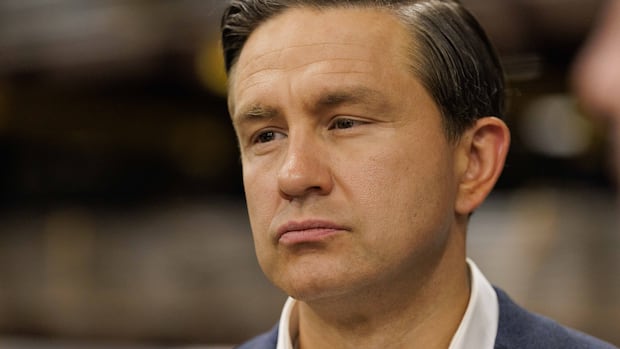
Conservative Leader Pierre Poilievre is urging Prime Minister Mark Carney to convene Parliament for clarity on the rejected U.S. trade agreement and information on the potential impacts on Canadians. Poilievre emphasized the importance of making the deal’s text public to allow Canadians to assess available options.
In a letter addressed to Carney, Poilievre expressed concerns about the potential economic repercussions of Carney’s trade and economic strategies, including potential price increases on essential goods like groceries and fuel. Poilievre also raised questions about safeguarding jobs in industries such as steel, aluminum, lumber, and auto manufacturing, which are at risk due to imposed tariffs.
Carney halted trade discussions with the United States after accusing the U.S. administration of imposing restrictions that hindered Canada’s ability to engage in agreements with other nations. He pledged retaliatory tariffs in response to new U.S. tariffs that went into effect recently.
Poilievre highlighted the imperative role of Parliament in holding the government accountable, particularly in times of economic uncertainty. He stressed the urgency of the situation, emphasizing the need to prioritize the national interest and address the economic challenges facing Canadians.
The concerns raised by Poilievre echo those of Canada-U.S. relations critic Shuvaloy Majumdar, who emphasized the need for transparency regarding the details of the failed trade deal. Both politicians underscored the importance of providing clarity on the negotiations and their potential implications.
The U.S. recently imposed significant tariffs on a range of Canadian exports, prompting Carney to announce retaliatory measures. He described the initial trade agreement as unfavorable for Canada, leading to the decision to walk away from the deal.
In response to criticisms, Carney defended Canada’s stance, citing concerns about compromising sovereignty and key industries. Meanwhile, U.S. President Donald Trump took to social media to mock Canada, further escalating tensions between the two nations.
While other Canadian opposition parties supported the government’s decision to reject the deal, they called for increased transparency and briefings for party leaders and MPs on the ongoing trade negotiations. Carney accused the U.S. of introducing last-minute measures that constrained Canada’s negotiation abilities and impacted cultural protections.
Overall, the call for transparency and accountability in trade negotiations remains a key focus for opposition parties and government officials alike, as they navigate the complexities of international trade relations.

