
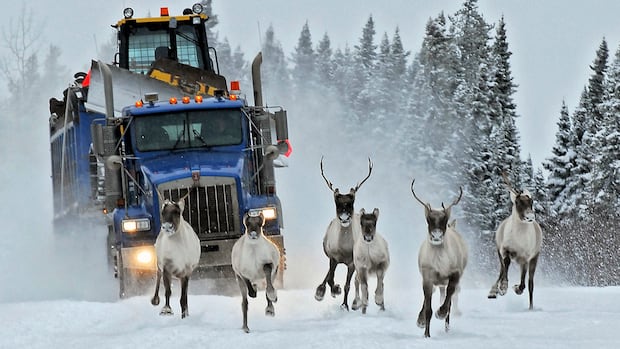
A study revealed that despite being classified as endangered in Canada, many species face delays in receiving protection decisions from the federal government. Out of 288 species assessed as at risk since 2017, only 17 have been reviewed by the Governor in Council within the recommended timeframe, leaving 153 species overdue as of January 25, 2025.
The delay affects species like caribou, beluga whales, and lake sturgeon, which are awaiting listing decisions crucial for habitat protection and recovery plans. The study points out a bottleneck in the Species at Risk Act (SARA) where there is no statutory deadline for a key stage of the process, leading to prolonged decision-making periods.
Peter Thompson, the lead author of the study and a postdoctoral researcher at Simon Fraser University, highlighted the government’s consistent failure to meet its suggested timelines of one to two years for assessments. The case of the Saskatchewan-Nelson River population of lake sturgeon, designated as endangered in 2017, exemplifies the issue, with delays in moving the assessment forward and protecting its fragmented habitat from dam projects.
Under SARA, listing endangered species triggers protections against harming or capturing them and mandates recovery strategies identifying critical habitats. The law lacks explicit deadlines for progressing assessments to the final decision-making stage, contributing to the prolonged delays observed, particularly affecting aquatic species.
Indigenous consultation, although time-consuming, is not considered a primary cause of delays but rather an essential component of ensuring culturally significant species are adequately protected. The lack of transparency in explaining delays has raised concerns about governments sidestepping crucial conservation decisions in favor of economic interests.
Efforts are needed to streamline the process and provide timely decisions to safeguard endangered species and their habitats effectively. The study underscores the urgency of addressing the shortcomings in the current system to ensure the conservation and protection of Canada’s biodiversity.

