
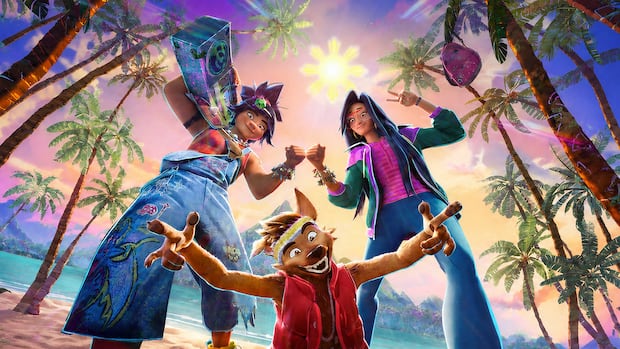
Tricia Serdon, a Filipino Canadian, spent her childhood watching Disney films in search of a princess resembling her but never quite found one until “Forgotten Island” hit the screens. The Dreamworks Animation production, released on Sept. 25, stands out as the first major Hollywood animated feature with Filipino culture and mythology at its core. The storyline follows childhood friends Jo and Raissa, whose paths diverge when Raissa heads to the U.S. for college, leaving Jo behind.
The fantasy world of Nakali, where the friends reunite, is filled with supernatural beings inspired by centuries-old Filipino folklore. The term “Nakali” is derived from the Tagalog word “nakalimutan,” meaning “forgotten.” While the film draws from ancient tales, it presents a creative reimagining rather than a direct adaptation.
The co-directors, Januel Mercado and Joel Crawford, have long desired to showcase Filipino culture on the big screen, recognizing the rich mythology the country possesses. The film’s creatures serve as metaphors for the characters’ emotional struggles, with the weredog symbolizing the uncertainties of adolescence and the quest for identity.
Apart from the magical elements, “Forgotten Island” captures the essence of Filipino family life, depicting scenes of parties where relatives share jokes and enjoy music and food. The film’s commitment to representation extends beyond its storyline, with a star-studded cast of Filipino talents and Manila-based Snipple Animation handling the 2D-animated flashbacks.
Tricia Serdon, who found deep personal connection to the film, hopes that the next generation of young Filipinos will have more on-screen representation, eliminating the need for an extensive search for relatable characters. “Forgotten Island” paves the way for more Filipino stories to be told without delay, fostering a sense of inclusivity and cultural authenticity in the film industry.

