
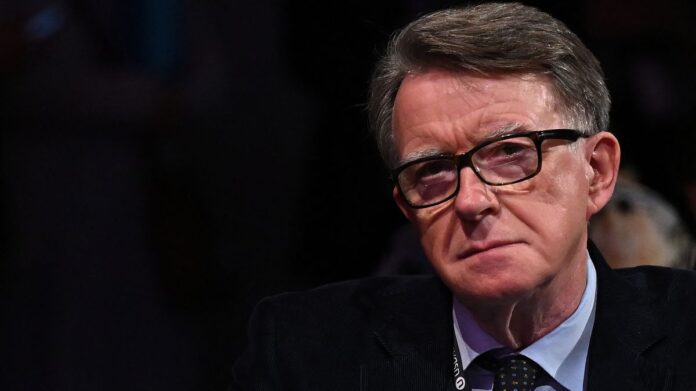
The recent Mandelson–Epstein controversy has been a major focus in the news this week. It has come to light that sensitive government information was shared with a convicted criminal linked to a global pedophile network, highlighting a clear misuse of authority. My thoughts are with the victims affected by this egregious breach.
The affected individuals have been let down significantly. Their courage in stepping forward to expose these despicable crimes must not be overlooked – they deserve swift and fair justice. However, this disturbing incident goes beyond the individuals involved and sheds light on the urgent need for substantial changes in our political system. It once again exposes a culture where affluence can buy influence, protection, and opportunities that are not accessible to the common populace.
This issue is not unique to the UK; globally, affluent individuals are amassing significant political power and influencing decisions that impact millions without genuine democratic backing. The influx of donations and undisclosed funds into politics, often from foreign billionaires with little connection to local communities, is a clear demonstration of this trend.
In a notable event last December, Reform received an extraordinary £9 million donation from Christopher Harborne, a crypto investor based in Thailand. This marked the largest single donation ever made by a living individual to a UK political party. Such instances highlight the prevalence of “cheque-book politics” rather than true democracy.
Christopher Harborne also contributed £1 million to Boris Johnson’s private office, reflecting a broader pattern where disgraced leaders find solace and backing from wealthy supporters while the public bears the repercussions of their failures. This power dynamic extends to media ownership, predominantly controlled by a handful of billionaires shaping news content to align with their interests and agendas.
The online realm is not exempt, with major social media platforms, led by figures like Elon Musk, becoming breeding grounds for hate speech and division. These platforms often propagate misinformation and conspiracy theories to boost engagement and profits, neglecting accountability and regulation under the guise of promoting “free speech.”
The concentration of wealth and influence both offline and online poses a severe threat to democracy. To restore faith in the political system, there is a crucial need for full transparency, accountability, and a genuine stand against hypocrisy.
While trade unions representing various sectors face unwarranted criticism for their political activities, billionaire donors and secretive backers operate with minimal public scrutiny. Addressing corporate influence, dismantling media monopolies, and effectively regulating social media are essential steps to ensure that politics serves the interests of the majority, not just a privileged few.
The recent passing of the Employment Rights Act marks a significant milestone, introducing measures like banning exploitative zero-hours contracts, enhancing parental rights, and bolstering protection against harassment. These advancements are the result of persistent advocacy by unions and workers, but there is still more work ahead.
Efforts to secure day-one sick pay from April are commendable, yet it is imperative to ensure the full implementation of all new rights and protections in a prompt manner. Additionally, the government’s broader Make Work Pay Agenda, which aims to safeguard gig workers’ rights among other crucial provisions, requires close monitoring and enforcement.
As we enter Heart-Unions Week, a time to celebrate the dedication of workers advocating for better pay and conditions, the challenges posed by the ongoing cost of living crisis persist. Despite these hurdles, unions continue to secure victories for their members, translating into improved financial stability, working conditions, and job security.
Mental health issues affect all individuals in the workforce, irrespective of their profession. It is crucial to address these concerns seriously and provide necessary support and resources to ensure the well-being of all workers.
Paul Nowak, the General Secretary of the TUC, shared his sentiments on the importance of family, unions, and personal interests like supporting Everton Football Club. His reflections on the mental stress experienced by individuals due to professional circumstances underscore the significance of mental health awareness and support in all workplaces.

