


Russia has acknowledged that a key figure involved in the infamous polonium poisoning case was suffering from cancer at the time of his death three years ago. Dmitry Kovtun, accused by Britain in the radioactive murder of Vladimir Putin critic Alexander Litvinenko in 2006, passed away at 56, with his death initially attributed to Covid complications.
His alleged accomplice, Andrey Lugovoy, has now disclosed that Kovtun had kidney-related cancer and various other health issues. According to Vladimir Solovyov, a prominent Russian TV personality, the polonium-210 dose Kovtun received nearly two decades ago had a lasting impact on his health.
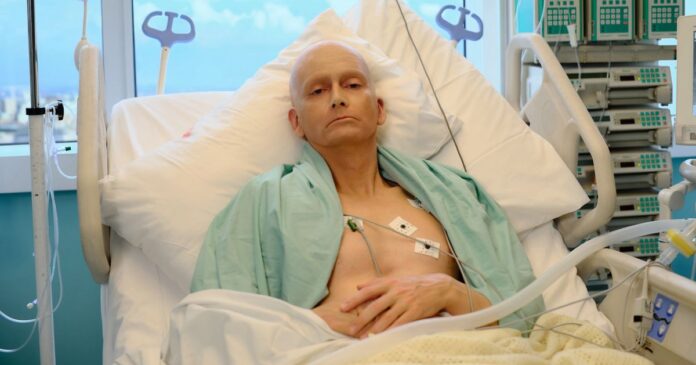
In a recent statement, Lugovoy hinted at the possibility that the poisoning incident affected Kovtun’s health in the long run. The duo was accused of spiking Litvinenko’s tea during a meeting at a London hotel, leading to Litvinenko’s agonizing demise where he accused Lugovoy and Kovtun before passing away.
The poisoning incident severely strained relations between Britain and Russia, with a judicial report confirming that Lugovoy and Kovtun were responsible for the poisoning. The report also suggested that the assassination was likely sanctioned by Putin himself.
Lugovoy described Kovtun as a close friend who succumbed to a severe illness related to a coronavirus infection in 2022. However, a state news agency reported Kovtun’s death in a Moscow hospital due to Covid effects, with British authorities seeking his arrest.
Maintaining his innocence, Lugovoy, a staunch supporter of Putin, alleges that he was framed by British intelligence or anti-Putin Russian exiles. Radioactive evidence traced back to Moscow and Germany, where Kovtun resided, implicating them further.
Despite reports of his own prostate cancer in 2023, Lugovoy has refrained from commenting. Medical records leaked by a Ukrainian cyber group indicated his refusal of recommended treatment, opting for observation instead.
The disease is believed to be linked to the polonium-210 exposure from the Litvinenko case, a theory supported by investigators. Following their return from Britain, Lugovoy and Kovtun sought treatment at a specialized Moscow hospital for radiation-related illnesses.
Lugovoy, who has since welcomed a child with his wife, continues to deny any involvement in the poisoning plot and has evaded extradition to face trial in London.