
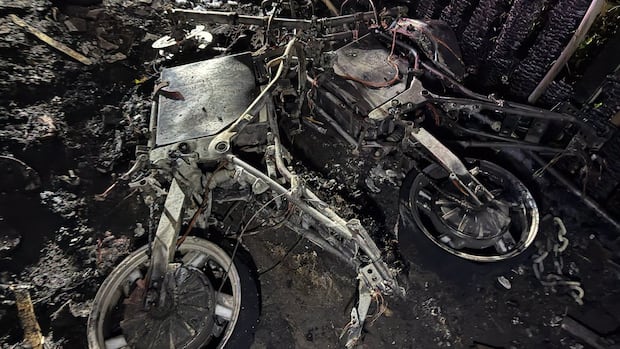
Firefighters have expressed concerns regarding the dangers posed by intense, rapid, and stubborn fires in lithium batteries, notably in e-bikes stored in residences, including incidents in Toronto and Peterborough, Ontario this week. Additionally, a recent fire at a solar farm in Prince Edward Island involving large storage batteries has raised further alarms.
The rise in lithium battery fires has prompted restrictions on electric bikes and cars in various settings such as buildings, public transportation, and ferries, impacting individuals dependent on these modes of transport. Moreover, the incidents have instilled apprehension among some individuals considering the adoption of electric vehicles.
This week marks Fire Prevention Week with a focus on lithium batteries as the central theme. Understanding the challenges posed by lithium battery fires and implementing measures to reduce risks are crucial aspects to address.
Lithium battery fires have become more prevalent with the increasing use of lithium battery-powered devices. While fires involving EV and energy storage batteries are less common due to stringent testing and safety features, incidents with e-bikes and e-scooters in residential settings are more frequent.
One of the primary causes of lithium battery fires is the formation of a hole in the barrier material separating the battery terminals, leading to a short circuit and subsequent fire. Overheating due to improper charging practices can also trigger fires, necessitating caution in charging devices correctly and using certified batteries with safety features.
In the event of a lithium battery fire, traditional firefighting methods may not be effective due to the batteries’ unique characteristics. These fires burn hotter and faster, often leading to thermal runaway and the generation of toxic substances, making extinguishing them challenging.
To mitigate risks, it is advisable to purchase certified batteries with safety labels, charge devices on non-combustible surfaces, and recycle damaged batteries at designated drop-off sites. Proper handling and disposal of lithium batteries are essential preventive measures to reduce the likelihood of fires and ensure safety.

