
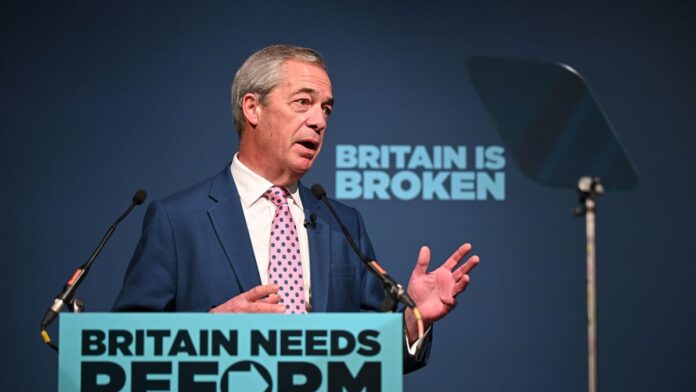
Reform UK has revealed its stance by proposing the reinstatement of the two-child benefit limit, a move that is expected to negatively impact numerous vulnerable children.
Rachel Reeves emphasized the necessity of discarding the harsh Tory-era limit, stating that no child should suffer due to their parents’ financial constraints. She highlighted scenarios where unforeseen circumstances, such as illness or loss of a parent, could lead families to struggle despite having more than two children.
Despite Robert Jenrick’s pledge to reduce the benefits budget while considering the genuinely vulnerable, it seems that families at risk of falling into poverty, including parents and children, are not being prioritized by Reform UK.
In his inaugural speech as Reform’s economic leader, Mr. Jenrick argued that the country cannot sustain lifting the two-child benefit limit due to financial constraints. This decision marks a shift in Reform’s position, as Nigel Farage had previously promised to eliminate the limit for British families.
Mr. Jenrick’s choice could potentially push around 450,000 children into poverty, sparking concerns about the well-being of children in the UK. When questioned about this impact, Mr. Jenrick defended his stance, suggesting that supporting parents through the welfare system could lead the country to financial ruin.
Despite the challenges in public finances, political decisions play a crucial role. Mr. Jenrick, who previously served in Conservative governments that impacted public finances negatively, has made a definitive choice to maintain the two-child benefit limit.
Reform’s viewpoint is that providing support to children, ensuring their basic needs are met, could strain public finances. Furthermore, Nigel Farage’s response indicated a shift in policy influenced by negative reactions from the Tory press rather than genuine concern for vulnerable children.
It is evident that Reform’s leader prioritizes personal interests over the welfare of vulnerable children in the UK, raising questions about the party’s motives and impact on society.

