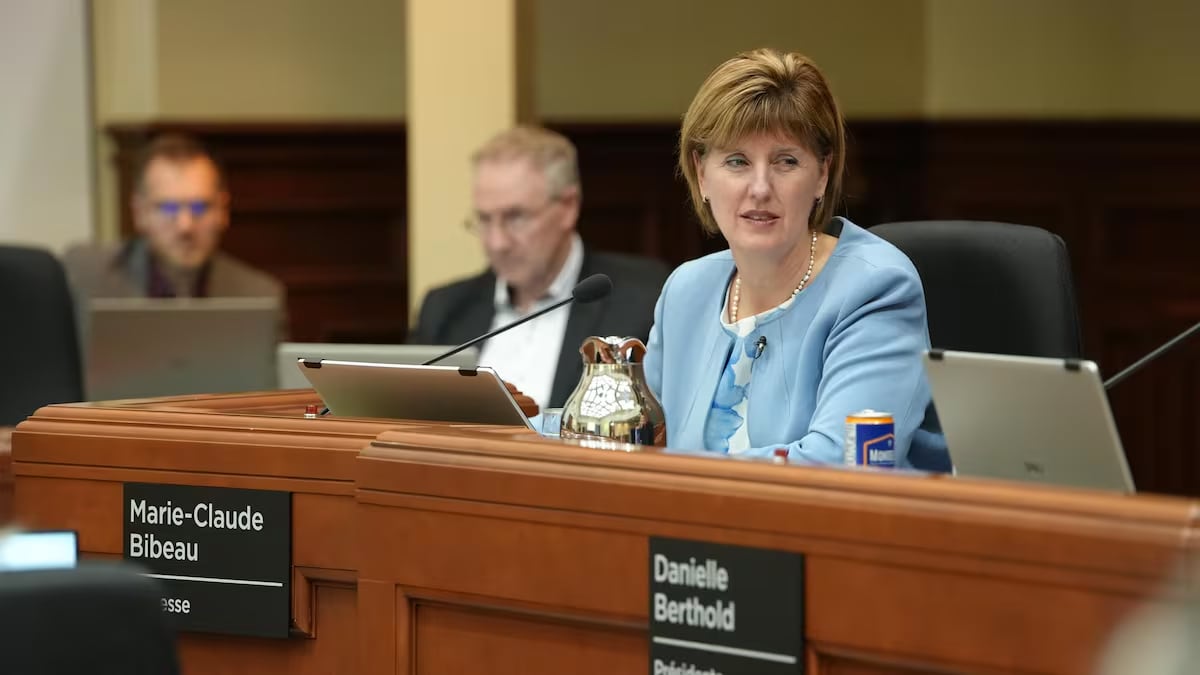
A petition against a large data center project in Sherbrooke, Quebec, has garnered support from thousands of local residents who express concerns about the lack of transparency surrounding its development. The residents are worried about the potential environmental impact and noise pollution that could result from the project. They are calling for thorough environmental assessments, open public discussions, and are questioning the decision to allow a U.S.-based company to construct a massive data center in their community.
Jayson Roy, a resident actively involved in the petition, has gathered over 4,500 signatures to oppose the project. He criticizes the city council for emphasizing only the perceived benefits of the project while disregarding specific issues and overlooking the broader implications. According to Roy, the concerns extend beyond individual matters and demand a comprehensive review.
The municipal authorities of Sherbrooke are moving forward with a deal involving Keel Infrastructure, a U.S. company previously known as Bitfarms. The recent approval by the city council for the conditional sale of land on Industriel Boulevard to the company has sparked renewed criticism among residents who recall previous controversies related to cryptocurrency operations conducted by the same company, which were criticized for their disruptive noise levels and high energy consumption.

The City of Sherbrooke is facing backlash over the sale of land to Keel Infrastructure. A petition against the project has gathered over 4,000 signatures. Jayson Roy, a resident involved in the petition, shares insights with Quebec AM guest host Rachel Watts.
Roy highlights that the mayor’s focus on refuting individual concerns overlooks broader issues surrounding the project’s handling. He criticizes the lack of transparency in the decision-making process and the absence of meaningful engagement with the community. Despite his attempts to access relevant documents from the city clerk regarding studies and planning, Roy encountered confidentiality barriers.
Roy, who has a background in the technology sector, raises concerns about digital sovereignty and questions the wisdom of supporting a foreign venture over a domestic or Canadian entity.
Mayor Marie-Claude Bibeau has responded to the criticism by emphasizing that the deal with Keel Infrastructure is not yet finalized. She clarifies that the recent approval is merely a step to initiate negotiations for the sale of a specific land parcel in an industrial zone, not a green light for construction.
The mayor underscores the financial benefits tied to the project, pointing out that electricity sales through Hydro-Sherbrooke contribute significantly to the city’s annual revenue. The potential revenue is seen as a substantial financial advantage for Sherbrooke residents, equivalent to a considerable tax reduction.