
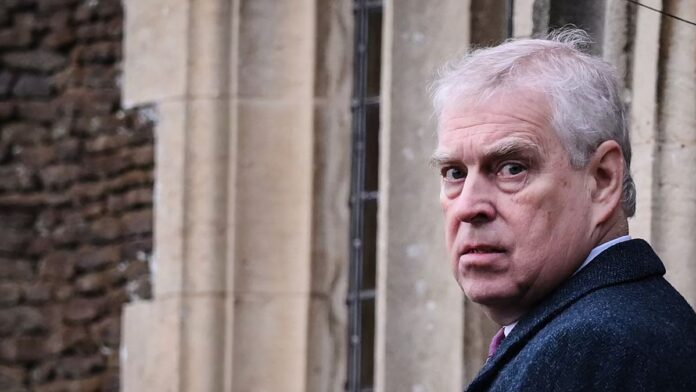
Arrested on his birthday under suspicion of misconduct in a public office, Andrew Mountbatten-Windsor has become a significant emblem of the global scrutiny surrounding Jeffrey Epstein.
The timing of the arrest was strikingly surreal, turning what should have been a day of personal contemplation into a very public event, with cameras flashing, police procedures unfolding, and a royal figure being formally implicated in the legal system.
Despite previously brushing off inquiries about his connections to Epstein as media hype, the former Duke of York faced a stark shift on his birthday, greeted not by well-wishers but by law enforcement. This incident underscored a clear message that societal status alone can no longer shield one from criminal probes.
While Andrew’s arrest does not indicate guilt, as no charges have been filed and he has consistently refuted any wrongdoing, the repercussions have extended beyond just the royal family.
Even with only a portion of the heavily redacted files now public, the Department of Justice has wrapped up the case, with Attorney General Pam Bondi cautioning that probing all individuals mentioned in the Epstein records could have far-reaching consequences, potentially shaking the government’s foundations.
This cautionary statement highlighted the potential risks involved in holding powerful figures accountable, as seen in the current investigations in the UK. It emphasized the necessity of subjecting all individuals, regardless of their prominence, to the same legal scrutiny.
The Epstein saga transcended the actions of a single disgraced financier, shedding light on a network of influence that encompassed luxury travel, exclusive retreats, bipartisan relationships, and apparent ease in navigating obstacles through wealth.
While Britain is undergoing a process of accountability, the silence in America is conspicuous. Justice cannot be selective, nor can it be deterred by the potential fallout from exposing the truth. The public’s right to transparency and accountability should always take precedence over shielding the elite from embarrassment.
The arrest of Andrew Mountbatten-Windsor on his birthday for alleged misconduct in a public office should serve as a broader reminder that no amount of status, wealth, or political power can shield one from legal repercussions.
Until the United States demonstrates a similar commitment to upholding this principle, suspicions will persist that the wealthy and influential receive preferential treatment, hindering the complete disclosure of truths within the country.

