
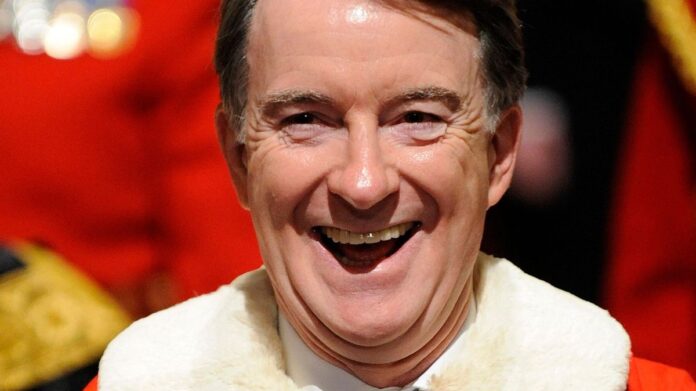
In a recent parliamentary session, Keir Starmer faced criticism for attempting to withhold Downing Street documents related to Peter Mandelson’s appointment in Washington. The justification provided was the protection of national security interests. However, the decision was met with strong opposition from Labour MPs who were concerned about the appointment of an individual with questionable associations. Eventually, due to mounting pressure, Starmer relented, but the release of the documents was delayed under the guise of not interfering with an ongoing police investigation.
The use of “national interest” as a shield raised questions about accountability and transparency, particularly when compared to how ordinary citizens would be treated under similar circumstances. The situation highlighted the disparity in treatment when powerful figures are involved, with privileges seemingly granted that would not apply to the general public.
Concerns were also raised about the protection of living royals from scrutiny, with government files pertaining to them remaining classified for a significant period. This lack of transparency was exemplified in cases such as the alleged settlement made by the late Queen to resolve a lawsuit. The need for legislation like the Hillsborough Law, aimed at ensuring accountability in public office, was emphasized to prevent instances where those in positions of power evade scrutiny and accountability.
The Epstein scandal further underscored the necessity for robust legislation that upholds truth and accountability in public service. The call for uncompromised laws to prevent cover-ups and demand transparency was echoed amidst ongoing controversies involving influential figures like Mandelson and Andrew Mountbatten-Windsor. The urgency for legislative measures that prioritize truth and accountability was emphasized to prevent injustices from persisting unchecked.

