
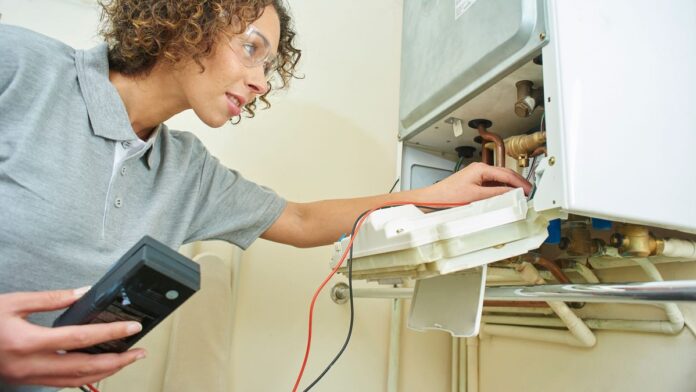
As winter approaches and temperatures drop, it’s important to familiarize yourself with how your heating system operates. If you’re experiencing issues with your boiler and are concerned about repair costs, here are some tips to consider. Additionally, understanding insurance policies that cover home emergencies can be beneficial.
Many individuals struggle to comprehend how their thermostat functions, as surveys consistently reveal it to be a perplexing device. Despite recent energy bill concerns prompting more people to learn about their heating systems, invest in smart thermostats, or consult their boiler manuals, understanding remains limited for many.
Every year, individuals spend significant amounts on emergency callouts for thermostat issues that could be easily resolved, such as a simple battery replacement. Often, confusion arises from unfamiliar symbols on the boiler, causing miscommunication with the device. Smart thermostats may also encounter operational issues, with troubleshooting steps typically detailed in the user guide.
If your boiler continues to malfunction, performing basic checks like adjusting dials, trying the ‘boost’ feature, and ensuring proper boiler pressure may help. For those unsure about technical procedures like repressurizing the boiler, it’s advisable to thoroughly review instructions before proceeding. Seek online guides or contact the manufacturer for assistance if needed.
In the event of radiator inefficiency, bleeding them to release trapped air can enhance heating performance. Energy companies often provide online tutorials on radiator maintenance, emphasizing the importance of this annual task. Before attempting any repairs, ensure the heating system is turned off and have necessary tools ready to prevent any mishaps.
Considering a boiler breakdown policy may be worthwhile, given the potential costs associated with engineer callouts. While insurance policies were once costly, current options offer more affordable coverage. However, be cautious of hidden fees and limitations within policies, as the actual cost of making a claim can be higher than anticipated.
When selecting a boiler or home emergency policy, pay attention to contract types, callout fees, and coverage limits. Look for round-the-clock emergency support, consider waiting periods for claims, and verify coverage for older boilers. Consult your existing home insurance provider for potential add-on options that may offer better value based on your home’s specifics.
Lastly, it’s advisable to periodically test your boiler before winter sets in to detect any issues early on. Running the system briefly a few times can help identify potential problems and prevent pipe damage. Keep the thermostat at a low setting when testing the boiler, and if you’ll be away for the holidays, reduce the thermostat rather than turning off the boiler completely.

