
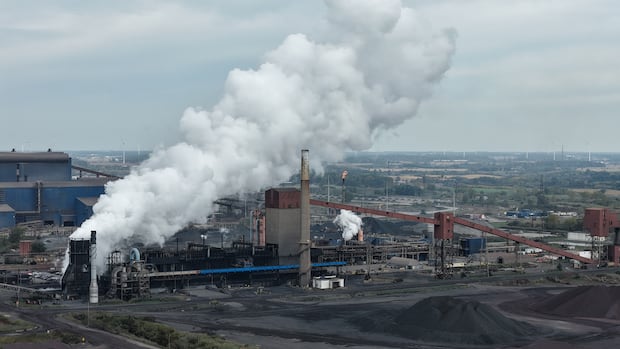
Stelco Holdings faces a looming deadline to present a strategy to prevent layoffs affecting numerous steelworkers in Ontario. Failure to do so could lead to legal repercussions from the Canadian government. The situation is viewed as a crucial test of accountability for foreign investors, as Prime Minister Mark Carney aims to attract more foreign investments to Canada amid ongoing trade tensions with the United States.
Reflecting on past events involving the U.S. steelmaker, Stelco Holdings, now owned by Cleveland-Cliffs, is under scrutiny for potential job cuts and production idling. In 2007, U.S. Steel acquired Stelco, later renamed U.S. Steel Canada, with commitments to maintain employment levels and increase steel production in Canada. However, during the 2008 financial crisis, significant layoffs occurred, leading to legal action by the Canadian government against U.S. Steel in 2009.
Following a legal battle, a settlement was reached in 2011. U.S. Steel agreed to uphold production in certain locations and invest in modernizing operations. Despite subsequent ownership changes and financial challenges, Stelco has resurfaced under new management, indicating ongoing industry shifts and legal developments.
Recent developments reveal Stelco’s announcement of production halts and layoffs, prompting government intervention and threats of legal action if a viable job retention plan is not presented promptly. The company’s decision to reduce staff has been attributed to trade war implications and market conditions, sparking concerns over adherence to prior commitments and potential legal ramifications.
Legal experts anticipate a potential court battle between Stelco and the Canadian government, emphasizing the significance of economic conditions and the enforcement of regulatory guidelines. While the outcome remains uncertain, the situation underscores the complexities of foreign investments, regulatory compliance, and the broader economic implications for both industry stakeholders and government agendas.

