
A reestablished forest can appear towering, vibrant, and verdant. Restored wetlands may teem with insects and be alive with the flapping of birds. However, researchers examining these ecosystems more closely are discovering that some of the tiniest residents — including specific mosses, lichens, algae, and fungi — are frequently still absent.
The restoration of environments like forests and wetlands can revive dwindling animal and plant species and facilitate their population recovery. Yet, recent studies indicate that the return of these species does not occur uniformly. Some of the smallest and least visible inhabitants may remain rare or completely absent for decades, which could have ramifications for other species.
Ellen Macdonald, a botanist at the University of Alberta, has dedicated her career to studying forests — focusing less on the trees themselves. Instead, she investigates the small flowers, mosses, liverworts, and lichens that thrive in the shadows of trees, among their roots, or on the rough surfaces of their bark.
“There are far more species there than there are tree species,” Macdonald stated.
To an average observer, Macdonald noted, a forest that has regrown a few decades after logging can appear quite similar to an untouched one, filled with tall trees, birds, and insects.
However, Macdonald recalled her experiences walking through regrown coniferous boreal forests, sensing that something was amiss, even if she couldn’t pinpoint the issue right away.
“To truly perceive what might be lacking, one would need to gather data,” she remarked.
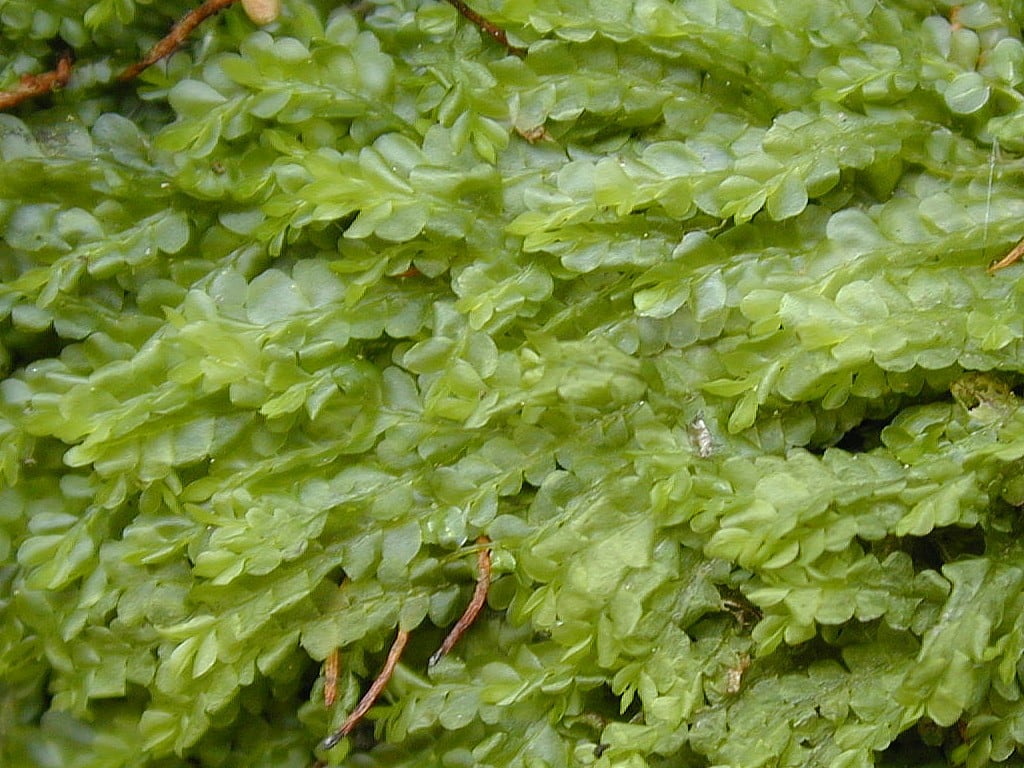
Chiloscyphus pallescens, a liverwort commonly found on decaying logs. (Michael Lüth)
Macdonald undertook this very task, merging her own findings with global data to explore the timeline for plants and animals to reappear as boreal forests regenerate after clearcutting.
The research, recently published in the journal Nature Sustainability, revealed that birch and aspen forests and their species seemed to recover within 25 years, whereas conifer forests required significantly more time. In conifer forests, understory plants — particularly lichens, mosses, and liverworts — took 85 years or longer to reappear, and in some instances had not recovered even after a century of observation.
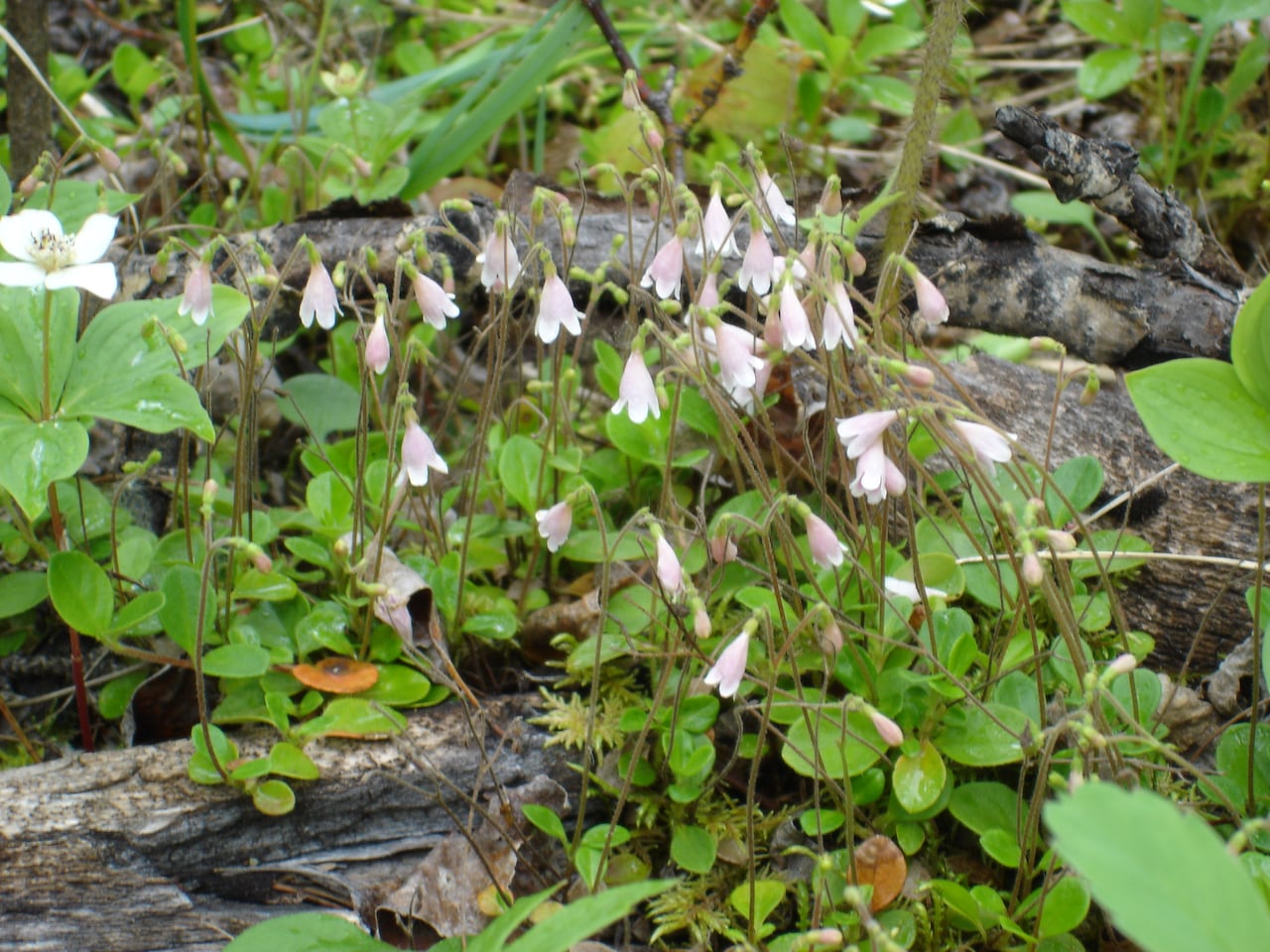
Linnea borealis (twin flower) and other understory plants in a boreal forest. (E. Macdonald)
‘They may not come back easily’
This trend is not exclusive to boreal forests. Researchers investigating wetlands and other restored environments have similarly found that areas can appear healthy while some of their less visible species are still missing.
In a past interview, CBC News spoke with German botanist Michael Melkonian about his research on plant evolution for terrestrial life. He described the wetlands near his home in Jexmühle, southern Germany, which were vibrant with carnivorous plants, sphagnum mosses, frogs, and dragonflies.
The bogs “superficially looked very appealing,” Melkonian remarked in a more recent discussion. They had been restored and replanted long after being drained for industrial purposes such as logging, creating habitats for wildlife and acting as carbon sinks to combat climate change.
However, beneath the surface, Melkonian anticipated discovering hundreds of species of desmid algae, which he studies. Instead, only a few species were present.
“The variety of algae was not there,” he stated.
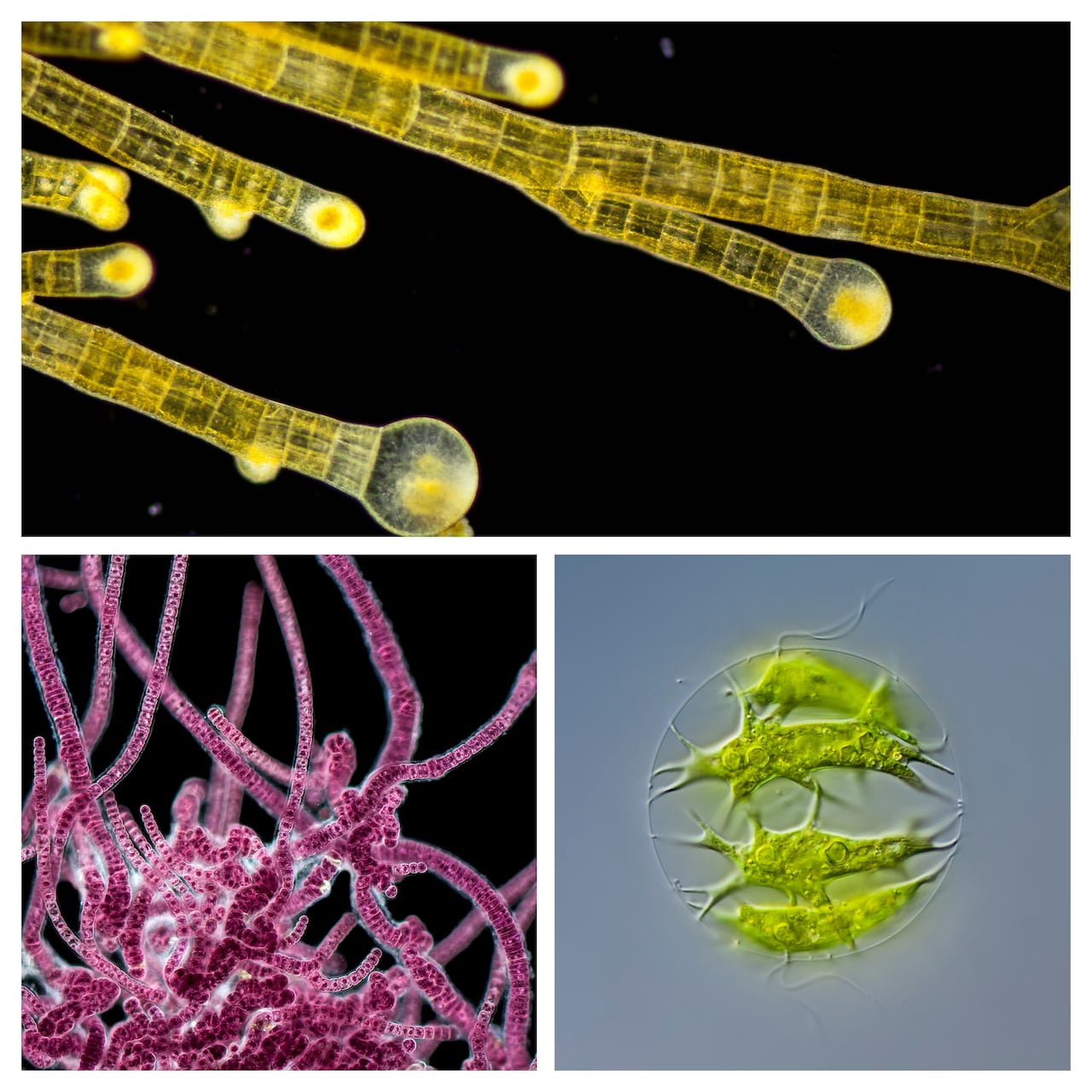
Sphaceleria, top, Stylonema, bottom left, and Stephanosphaera, bottom right. Various algae from different habitats that Michael Melkonian and his team are working to conserve. (Gerd A. Guenther/Central Collection of Algal Cultures)
Viktoria Wagner, an associate professor in the Department of Biological Sciences at the University of Alberta, characterizes this type of decline as “a silent form of loss.” Species may not necessarily become entirely extinct, she explained, but they can vanish from many areas where they once thrived, leading to a decrease in species diversity at specific sites.
Wagner refers to this as “dark diversity” and has identified evidence of it among plants in various habitats worldwide. Although algae are not classified as plants, they are related.
Once species disappear from a location, Melkonian noted, “they may have difficulty returning.” Some may already be locally extinct.
Wagner emphasized that while landscape restoration is feasible, “it’s not simple, and success is not guaranteed.”
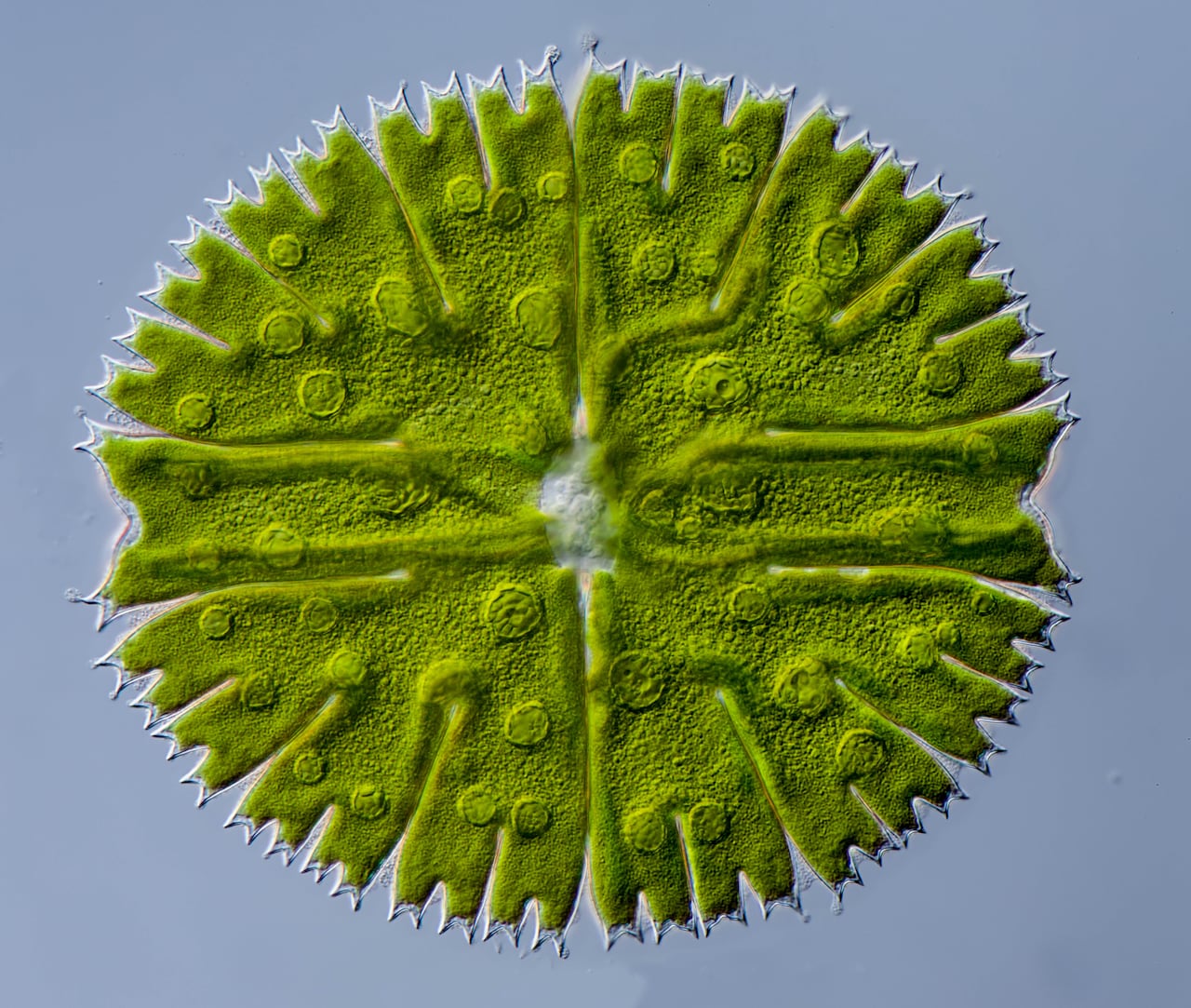
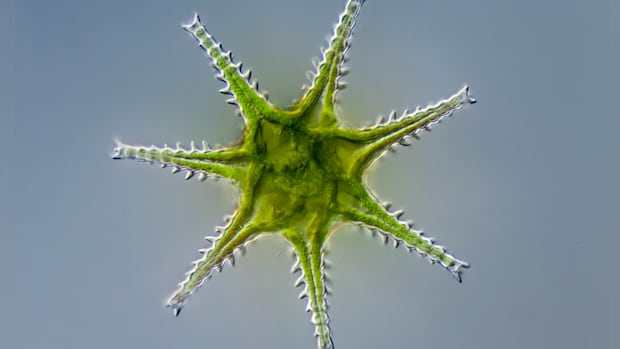
Micrasterias rotata, another type of freshwater desmid algae. (Gerd A. Guenther/Central Collection of Algal Cultures)
Missing species may slow recovery
Such losses can lead to effects that are not immediately apparent.
Despite their diminutive size, Melkonian pointed out, algae play a crucial role in the availability of oxygen and food across the planet.
“Algae are believed to be responsible for half of global photosynthesis,” he noted.
Wagner indicated that many species fulfill significant functions within ecosystems, and when diversity diminishes, “this has ripple effects” that can adversely affect other species.
-
Is your windshield cleaner after road trips? It’s a bad sign for bugs
-
What lives in the rivers near you? Why scientists want you to know
In boreal forests, Macdonald mentioned that it is not unexpected for many mosses, lichens, and other understory plants to take decades to recuperate after a clearcut. They rely on shade and mature trees for their habitat.
“That represents everything that is absent from a forest post-harvest and the elements that require an extensive period to recover,” she stated. “You can’t simply replace mature trees unless you wait for younger trees to grow.”
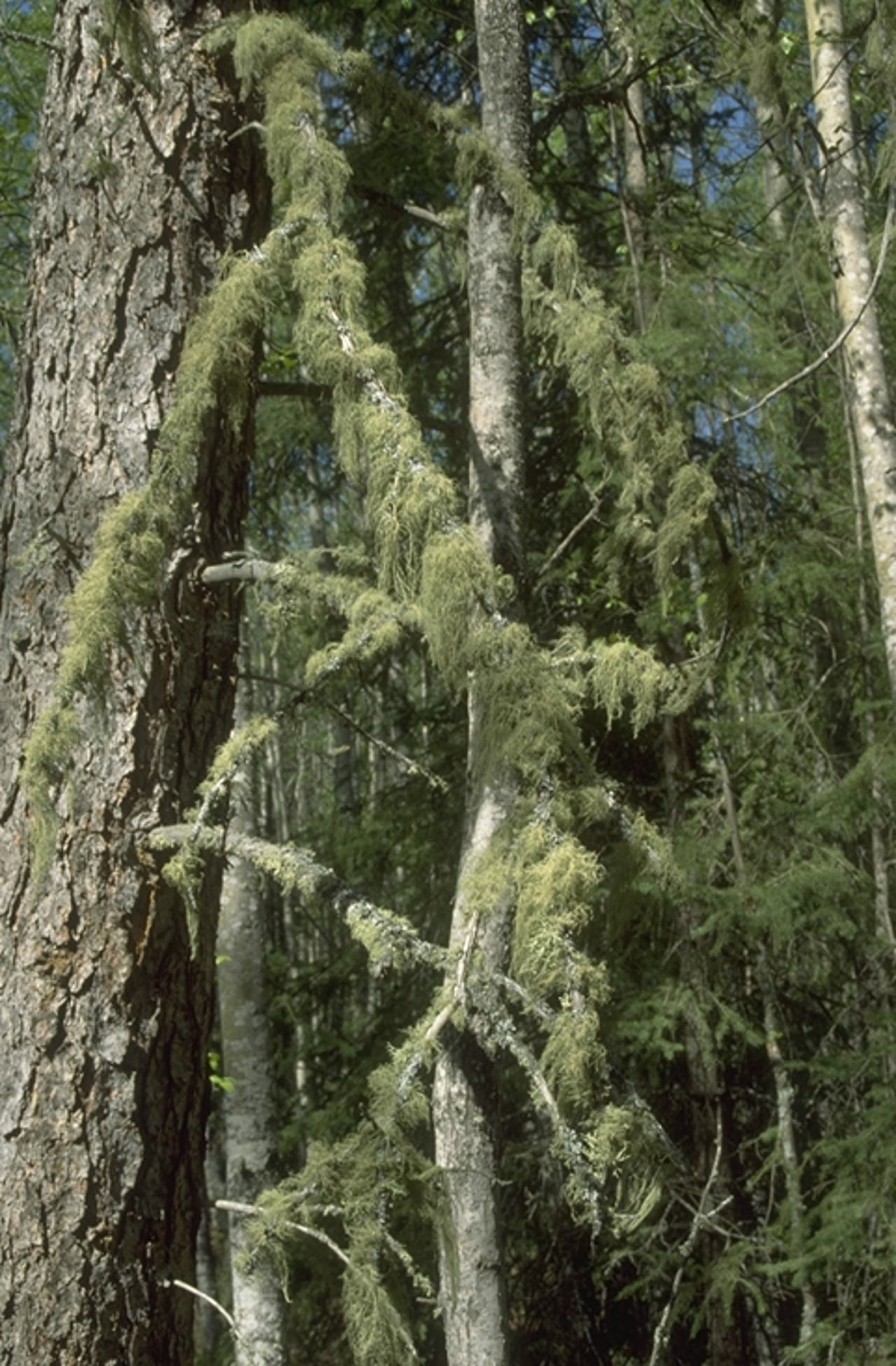
Lichen on a branch of an old spruce tree in a boreal forest. (E. Macdonald)
Understanding these trends could assist landscape managers in preserving a greater number of species within forests. Macdonald suggested that the research indicates conifer forests could be harvested in a more selective or partial manner instead of through clearcutting.
An algal ‘zoo’
Melkonian stated that algae habitats are also facing threats globally, along with the organisms that inhabit them.
Many algae may appear as little more than a smear of color on snow or a slimy patch on a rock or in water — forms that most individuals might not recognize as living organisms.
Melkonian meticulously gathers these tiny specimens from various habitats, carefully spooning and pipetting them into vials.
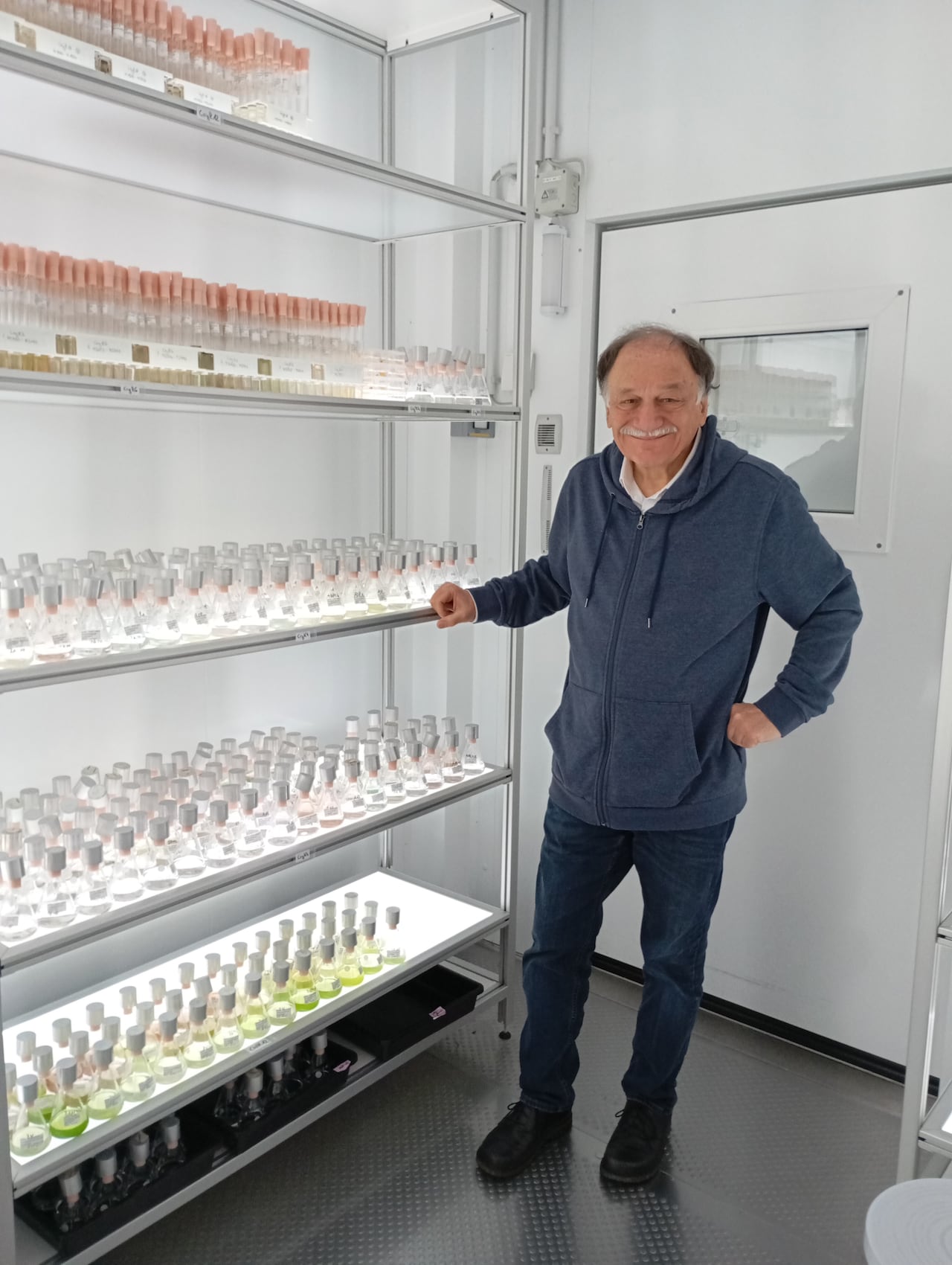
Michael Melkonian at the Central Collection of Algal Cultures in Essen, Germany, in 2025. (Submitted by Michael Melkonian)
This endeavor is part of a broader effort to conserve these species. Melkonian and his team have gathered and cultivated over 5,000 strains — “an algal zoo, if you will … which may serve as a repository for these species as living organisms.”
For Wagner, the extensive “silent loss” of species demonstrates that safeguarding biodiversity necessitates more than merely protecting isolated habitat areas. It requires the maintenance and restoration of sufficient habitats for species to thrive across the landscape.
“Loss occurs continuously, and it is an ongoing process that demands proactive measures.”
This article is part of a series focusing on scientists’ efforts to investigate disappearing species groups that may not have received much attention. It is an opportunity to learn about them, their impact on our lives, and what can be done to ensure their survival.

