

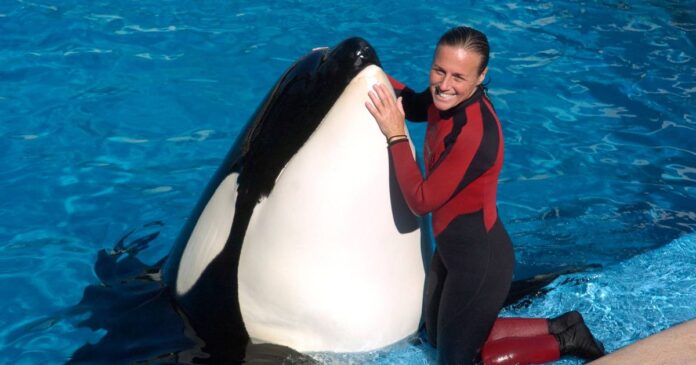

A tragic incident unfolded at SeaWorld in February 2010 when Dawn Brancheau, a highly experienced trainer, was fatally attacked by Tilikum, the largest bull orca in captivity. During a routine contact session at the Dine with Shamu exhibit, Tilikum seized Dawn’s ponytail, dragging her into the water despite her efforts to break free. Colleagues initiated emergency procedures, but Tilikum continued his aggressive behavior, ultimately causing severe injuries to Dawn. Witnesses recounted the horrifying event, describing Tilikum’s violent actions as he thrashed the trainer around the tank.
Efforts to rescue Dawn were challenging as Tilikum showed no signs of relenting. Trainers had to forcibly separate him from Dawn, who suffered devastating injuries before succumbing to the attack. The incident raised questions about the safety protocols and Tilikum’s history of previous violent encounters, including his involvement in multiple fatalities. Former trainers suggested that Tilikum’s captivity and treatment may have contributed to his aggressive behavior, leading to the tragic outcome. SeaWorld denied any wrongdoing, attributing the incident to “trainer error.”
Tilikum’s troubled past, marked by previous incidents of aggression, was highlighted in the documentary Blackfish, shedding light on the challenges faced by captive marine mammals. The film detailed Tilikum’s traumatic journey from being captured in Iceland to his troubled existence in various marine parks, where he exhibited signs of distress and aggression. The tragic events involving Dawn Brancheau and other individuals underscored the complex issues surrounding captive marine animals and raised concerns about their well-being and interactions with humans.
Despite SeaWorld’s defense of its practices, the incidents involving Tilikum prompted a reevaluation of safety measures and animal welfare standards in marine parks. The controversial legacy of Tilikum, who fathered numerous calves during his time at SeaWorld, serves as a poignant reminder of the ethical dilemmas surrounding the captivity of marine mammals. His death in 2017 from a bacterial infection marked the end of a tumultuous chapter in the history of captive orcas, sparking debates on the treatment of these intelligent creatures in captivity.