
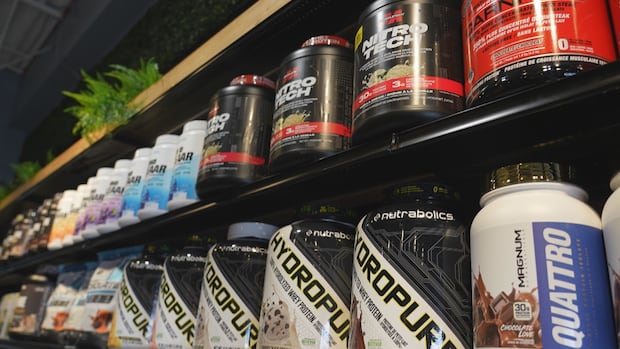
Jennifer Mason has been incorporating whey protein powder into her diet to increase her protein intake, but the recent surge in prices has left her surprised. As a new mother facing escalating expenses, she is reconsidering her shopping choices.
To keep up with the rising demand, food producers and fast-food chains are infusing whey protein into various products, causing shortages and driving prices to unprecedented levels. The ongoing U.S.-Canada trade conflict is further impacting whey protein costs, potentially leading to higher prices for consumers.
The trend of protein-rich foods is expanding, with items like protein popcorn by Khloé Kardashian and protein cold foam at Starbucks becoming popular. Major brands are leveraging whey protein to cater to health-conscious consumers, influenced by fitness personalities promoting protein-heavy diets and individuals consuming more protein to combat muscle loss due to weight-loss medications like Ozempic.
Whey protein concentrate, a key ingredient in high-protein foods, is facing a global supply strain. John Murray, the marketing manager at Daryl’s Bars, a protein snack producer, notes the challenges smaller businesses face in securing sufficient whey protein amid large companies’ bulk orders.
The U.S. Dairy Export Council highlights the soaring domestic demand for high-protein whey, limiting its availability for export. This surge in demand has led to significant price hikes, with whey protein concentrate, particularly WPC80, experiencing a 60% increase in 2025 followed by a 76% surge by June 2026.
As a result, companies like Daryl’s Bars have had to raise prices on their protein snacks to cope with the escalating costs. Murray expresses the difficulty in sourcing alternatives domestically, emphasizing a preference for Canadian suppliers if feasible.
The trade tensions have added pressure on food manufacturers, with Canada imposing tariffs on American whey protein imports in response to U.S. tariffs on Canadian goods. Businesses can seek relief through Ottawa’s tariff-remission program, but must prove the unavailability of domestic or non-U.S. sources.
The complexity of whey protein production, being a byproduct of cheese-making, poses challenges in quickly boosting supply. The U.S.’ significant cheese production capacity contributes to its dominance in whey protein production, while Canada faces limitations due to processing constraints.
As prices continue to rise, consumers may see elevated costs in protein products. Plant-based alternatives and whole foods have become popular choices for individuals seeking more affordable options amidst the whey protein price surge. High costs have left consumers like nineteen-year-old Melania Antic feeling discouraged, potentially impacting their gym routines and protein consumption habits.

