
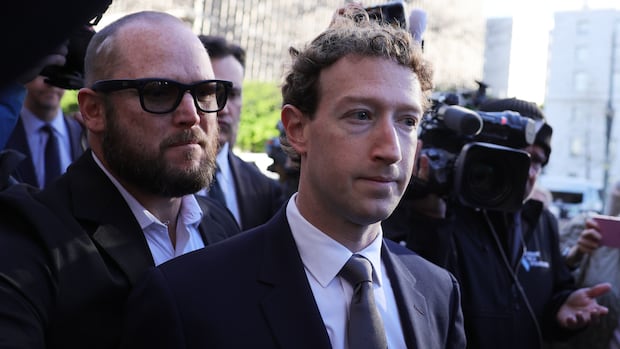
Meta, after losing two trials regarding child safety on its platforms earlier this year, is now gearing up for a significant trial set to commence on Tuesday.
Last week, jury selection occurred in Oakland, California, for the federal trial presided over by U.S. District Judge Yvonne Gonzales Rogers. The trial, anticipated to span at least six weeks, will have an eight-person jury serving in an advisory capacity, with the final decision resting with Judge Rogers alone. Meta’s CEO Mark Zuckerberg and Instagram’s head, Adam Mosseri, may be summoned to provide testimony during the trial.
The trial’s roots trace back almost three years when numerous states, representing both U.S. political factions, jointly filed a lawsuit in a California federal court. The lawsuit alleged that Meta, the parent company of Facebook, Messenger, Instagram, and WhatsApp, was breaching federal law by gathering data on users below 13 years of age without parental consent. The extensive 233-page complaint claimed that Meta had been employing deceptive tactics to conceal the adverse and addictive nature of its platforms for young users while monetizing their attention through data collection and targeted advertising.
The trial’s initial phase involves four states – California, Colorado, Kentucky, and New Jersey. Following this trial, twenty-five other states may pursue their legal actions, although a negative outcome for Meta in this trial, subject to appeal, might deter further litigation with these states.
Meta’s attempt to prevent a critical witness, Arturo Béjar, from testifying at the upcoming trial was denied by Judge Rogers last week. Béjar, a former Facebook engineering director, previously testified in a New Mexico case, revealing that Facebook had knowledge from internal research that its platform was causing harm to teenagers, such as cyberbullying and explicit content, yet failed to take appropriate action. Béjar critiqued Meta’s safety features as inadequate and highlighted the company’s insufficient resources to address safety breaches effectively.
While the states have not specified the monetary value sought in damages, Meta indicated in a legal filing that it could face financial liabilities up to $1.4 trillion in the trial. Meta termed this potential penalty as unprecedented in consumer protection enforcement history. Legal experts, however, opine that the $1.4 trillion figure is impractical, as it surpasses Meta’s financial capacity, potentially leading to bankruptcy and ownership transfer to the states.
Apart from financial ramifications, the state attorneys general are seeking court orders for Meta to implement changes to its platforms, including age restrictions and discontinuation of infinite scrolling features.
Meta has contested the accusations, asserting that trial evidence will demonstrate its dedication to supporting young individuals. The company highlighted its introduction of new safety measures post-lawsuit filing, including the launch of private-by-default teen accounts on Instagram with enhanced controls and parental oversight, along with the use of AI to detect underage users and age falsification attempts.
In a recent development, Meta experienced a rare profit decline, partly attributed to $2.4 billion in legal expenses. The company faces an ongoing appeal in the New Mexico case, where it was ordered to pay substantial civil penalties. The judge in that case mandated additional safety measures on Meta’s platforms for users in the state.
Over 1,000 U.S. school districts have taken legal action against social media companies, including Meta, for causing harm to students, with settlements and trials underway in various jurisdictions. Meta and other tech giants have been embroiled in multiple court battles, with ongoing trials challenging the companies’ platforms’ impact on youth and potential regulatory infringements.
The legal landscape for Meta appears increasingly complex as it navigates various lawsuits across different states and countries, each raising concerns about the impact of social media on young users and demanding accountability from tech companies.

