
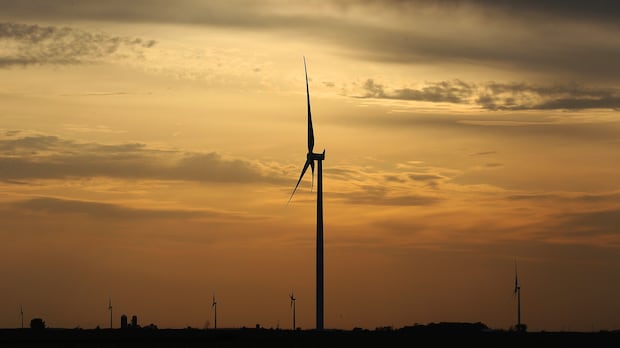
EverWind Fuels, a company aiming to produce green hydrogen, needs to provide additional information to the province before advancing with a proposed wind farm in Guysborough County. Nova Scotia Environment Minister Tim Halman issued an environmental assessment decision for the Harbour Hills Wind Project, noting that the company had not completed essential field surveys for a significant area that would host 30 wind turbines. These surveys, which must include considerations for various wildlife and plant species, are required to be finished within a year.
The company’s spokesperson, Claire Parsons, mentioned that EverWind is currently evaluating the minister’s decision. Parsons affirmed that their plans for the Harbour Hills project remain unchanged, expressing commitment to collaborating with Nova Scotia Environment and Climate Change to supply the requested data for the ongoing environmental assessment process.
The Harbour Hills project, consisting of 107 turbines, is one of three large wind farms EverWind has proposed for Guysborough County. Alongside these projects, the company is also involved in developing four smaller wind farms in different parts of the region. EverWind’s ultimate goal is to utilize wind energy to power a green hydrogen and ammonia production facility in Point Tupper, N.S.
Furthermore, EverWind faced a setback as one of its potential buyers from Germany, E.ON Group, decided to deprioritize hydrogen-related initiatives last year. Despite this, EverWind remains optimistic about the demand for clean fuels and is actively pursuing partnerships with other European companies.
In a similar industry development, Bear Head Energy, another company planning to generate green hydrogen in Nova Scotia, has halted updates on its project. Although receiving environmental approval for its main facility, Bear Head Energy has not commenced construction within the specified timeframe but was granted an extension until 2027.
Experts like David Layzell emphasize the importance of green hydrogen in the global transition to decarbonize energy systems. Layzell acknowledges the slower-than-expected progress in the hydrogen sector but believes that green hydrogen production in Nova Scotia is feasible, albeit requiring additional time to materialize.

