
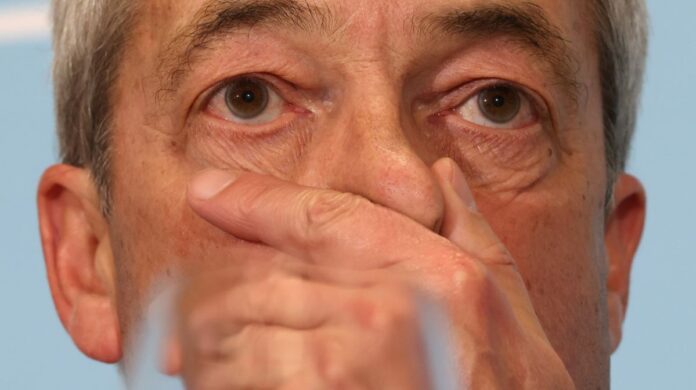
This week, alongside the Budget announcement, a concerning development has surfaced involving Nigel Farage. Former schoolmates of Farage have come forward with allegations of him making offensive antisemitic and racist remarks during his time at Dulwich College. Although the specific comments have not been detailed, they are described as deeply troubling.
In response to these accusations, Farage, the leader of Reform, shockingly downplayed the allegations as mere schoolyard banter when questioned by the media. This dismissive attitude from a prominent political figure is not only insensitive but also alarming.
Having previously chaired the Jewish Labour Movement, I was deeply involved in efforts to combat antisemitism within the Labour Party and restore its electability. While progress has been made, the prevalence of antisemitism and other forms of racism continues to escalate in our society.
It is crucial to recognize that words and actions from influential figures like Farage have consequences. By trivializing serious issues and promoting divisive narratives, individuals like Farage contribute to the normalization of harmful attitudes towards minority communities.
In contrast, Keir Starmer, following the Budget release, visited a synagogue to engage with individuals affected by antisemitism, demonstrating a commitment to addressing these critical issues. In light of Farage’s history of divisive rhetoric, it is imperative to challenge his harmful narratives and prioritize unity and understanding.
The recent Budget allocation of over £1.5 billion to support youth employment and education initiatives is a positive step towards empowering young people. Labour’s Youth Guarantee initiative, providing paid work placements for eligible individuals, and the scheme offering free apprenticeship training for under-25s at small and medium-sized enterprises, are commendable measures aimed at enhancing opportunities for the youth.
Ensuring that no young person is left marginalized or overlooked is a central tenet of Labour’s mission. By investing in the potential of future generations, we can nurture a society enriched by diverse talents and contributions.
While distractions like reality TV entertain us, the focus in Westminster this week has centered on real-world issues, including the legal troubles faced by Nathan Gill, a former associate of Farage, for accepting pro-Russia bribes. Farage’s association with pro-Putin sentiments raises concerns about his party’s integrity and commitment to ethical governance.
The ongoing struggle between rival football clubs, as highlighted by the Prime Minister’s team defeating Spurs, serves as a reminder of the importance of loyalty and camaraderie, even in the face of differing allegiances. As I reflect on political affiliations, I remain steadfast in my support for Labour, prioritizing shared values and goals above personal sporting rivalries.

