
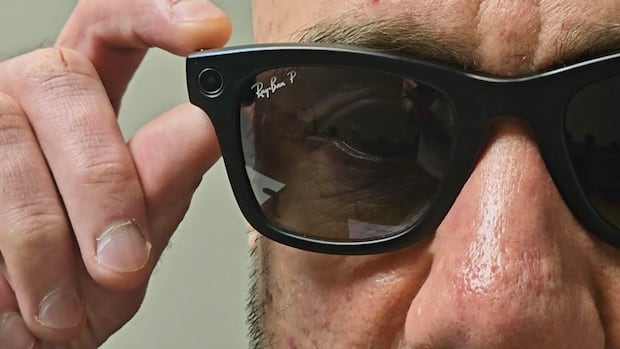
Norway is considering a temporary ban on the use of smart glasses in certain public spaces to address the potential privacy risks associated with these devices. The government is proposing restrictions on where smart glasses can be used, such as healthcare facilities, fitness centers with changing rooms, and areas where children gather like schools and playgrounds. The aim is to safeguard privacy in locations where it is deemed crucial.
This move reflects a global trend of increased scrutiny on emerging technologies that have the capacity to transform societal norms. Some countries have already taken steps to regulate the use of technology, with concerns ranging from social media restrictions for children to proposals like Norway’s smart glasses ban.
While the Norwegian government is not advocating for a complete prohibition, it seeks to initiate a temporary ban to evaluate the impact of smart glasses on privacy and determine appropriate regulations. Exceptions may be made for vulnerable groups to allow for beneficial uses of smart glasses in certain contexts.
Privacy advocates have praised Norway’s proactive approach, emphasizing the importance of safeguarding individuals’ rights in the face of advancing technology. Despite efforts by companies like Meta to promote responsible usage of AI glasses, some businesses are taking precautions, with a Dutch eyewear retailer suspending sales of the Ray-Ban Meta glasses.
In a broader context, the debate around smart glasses extends beyond Norway, as other regions also grapple with how to balance technological innovation with privacy concerns. Organizations like the UK Cinema Association have introduced policies to address potential privacy issues associated with camera-enabled smart glasses, highlighting the ongoing dialogue on the ethical and legal implications of wearable technology.

