
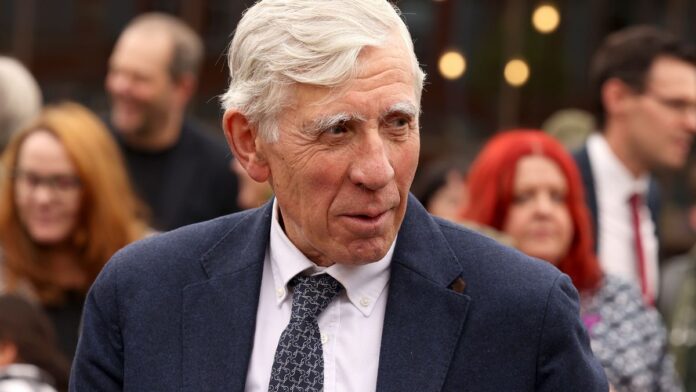
After assuming the role of Foreign Secretary shortly before the tragic events of ‘9/11’ on September 11, 2001, when the US experienced a significant loss of life due to Al Qaeda terrorism, the American people were deeply affected. This led President George W. Bush to take decisive action to prevent such incidents from recurring. Despite facing challenges in working with the Bush administration, Tony Blair successfully advocated for utilizing the United Nations to garner international support, particularly in relation to Afghanistan and Iraq.
The current Prime Minister is now confronted with a new challenge from President Trump, who recently announced the withdrawal of the United States from 66 international agencies deemed to be conflicting with US national interests. This decision includes exiting organizations such as the UN Framework Convention on Climate Change, UN Women, the UN Population Fund, and the UN Democracy Fund, which focus on important global issues.
President Trump’s actions are driven by his belief that these agencies promote what he refers to as a ‘woke agenda.’ His Secretary of State, Marco Rubio, has criticized these agencies as redundant and wasteful, emphasizing their supposed opposition to US objectives. Trump’s stance reflects a broader isolationist trend in US history, echoing past instances like the rejection of the League of Nations after World War I.
Reflecting on historical contexts, the formation of the United Nations post-World War II has played a crucial role in maintaining global peace, as acknowledged by President Bush. The recent move by President Trump raises concerns about the potential impacts of US disengagement from international bodies.
In the past, following the 9/11 attacks, diplomatic efforts were made to seek cooperation from countries like Iran in combating terrorism. Despite historical tensions, such diplomatic engagements have been vital in addressing complex geopolitical challenges.
Looking ahead, uncertainties loom over the future of international cooperation, particularly with the US signaling a shift away from multilateral engagements. The evolving dynamics in global politics underline the importance of diplomatic efforts and dialogue to navigate complex geopolitical landscapes.

