
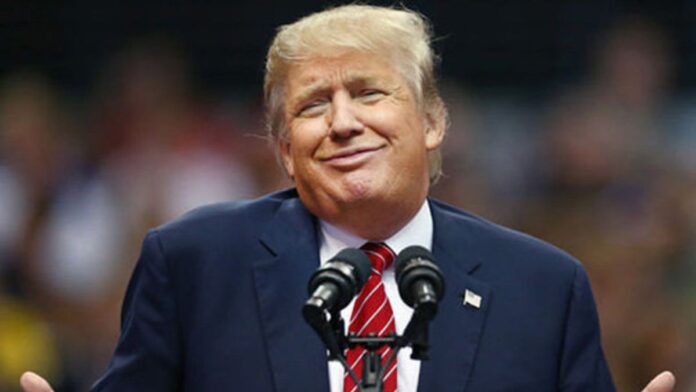
In a recent Fox News interview focusing on the economy, the former President Donald Trump displayed a lack of understanding when he made perplexing statements about magnets, claiming that “nobody knows what a magnet is.” This assertion, disregarding basic scientific knowledge, drew attention for its unusual nature, as Trump suggested that tariffs could somehow ensure an abundant supply of magnets, almost as if negotiating with the North Pole.
This incident is not the first time Trump has made questionable remarks about scientific concepts. During a previous trip to Asia, he cautioned US Navy personnel about the dangers of spilling water on magnets, indicating a fundamental misunderstanding of the properties of magnets.
At 79 years old, Trump’s explanations of scientific phenomena often come across as rudimentary, akin to a person proudly discovering a simple object like a paperclip for the first time. In a separate incident, chaos ensued in Mississippi when a truck transporting research monkeys accidentally led to a false alarm about the primates being disease-ridden and aggressive. However, it was later revealed that the monkeys were not a threat but were being transferred for research purposes from Tulane University.
Moving north, authorities in Guelph are searching for a thief with a sweet tooth who stole an entire trailer filled with £43,000 worth of whipped cream. Surveillance footage captured the thief hitching the refrigerated trailer and driving off, leaving behind no trace of the stolen cream. The investigation remains ongoing, with police hoping to recover the stolen goods.
Meanwhile, Starbucks introduced a new limited-edition “Bearista” cup, featuring a glass bear wearing a tiny green beanie, which quickly became a sought-after item among customers. Despite its £22 price tag, the mug sold out rapidly, leading to disappointed fans and even reports of scuffles among eager buyers.
In a legal case in North Carolina, an influencer faced a staggering £1.33 million bill after being found liable for contributing to the breakdown of a married couple’s relationship. The jury held the influencer accountable for “criminal conversation” and “alienation of affection,” under the state’s unique laws allowing spurned spouses to sue third parties for interference in their marriage. The verdict brought closure to the aggrieved party, highlighting the consequences of romantic entanglements under North Carolina law.

