
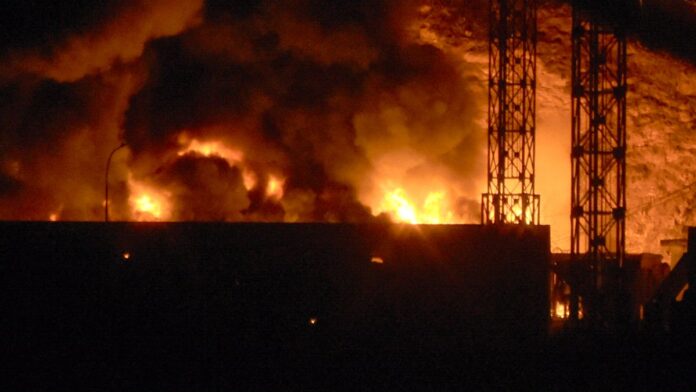
The removal of Nicholas Maduro, the former bus driver who ascended to power as Venezuela’s de facto ruler, has been met with approval by many. However, the method by which Donald Trump orchestrated his ousting has once again disrupted global order. Alongside the actions taken in Venezuela, this instance exemplifies the expansionist tendencies of the US President. His ambitions extend to endeavors such as acquiring Greenland and regaining control of the Panama Canal, reinforcing the notion that his administration is committed to effecting regime changes. The legitimacy of the US intervention in Venezuela lacks clear international support and is considered unlawful by formal standards.
Critics argue that Maduro, who succeeded Hugo Chavez and oversaw a shift towards a more dictatorial regime, lacked legitimacy. Venezuela, despite its inherent wealth and size, has spiraled into an economic crisis, losing its status as a prosperous nation once likened to Switzerland. While Maduro’s democratic mandate was questioned, particularly after the opposition seemingly won the 2024 presidential election, the justification for enforced regime change based solely on this premise is contentious. The strategic importance of Venezuela’s oil reserves cannot be overlooked, especially concerning the interests of Chevron, a major US oil corporation with long-standing operations in the country. The escalating military pressure on Maduro compelled the US to take action.
The narrative that narcotics were the primary concern seems unfounded, as Trump’s deployment of a significant task force in the Caribbean demanded tangible results. The outcome of Maduro’s removal appears to be a calculated triumph for Trump, signaling a setback for Venezuela’s traditional allies like Russia, China, and Iran. However, the UK, which disavowed any involvement in the Venezuelan operation, finds itself in a delicate position. The questionable legality surrounding the intervention raises concerns for PM Keir Starmer and European leaders. While Maduro’s departure could benefit Venezuela, the orchestrated manner of his removal raises apprehensions about the impact on global order. The US, positioning itself as a revisionist power, is challenging established norms, yet its actions are perceived by some as resembling those of a rogue state. This shift poses a dilemma for its allies, who historically relied on the US to champion the principles of free trade and liberal democracy.

