
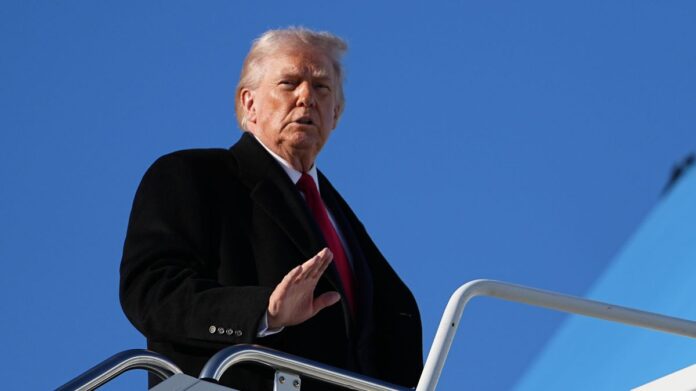
In the coming months, the focus should be on Donald Trump’s ongoing efforts to erode trust in the integrity of American elections. Trump has a history of publicly alleging election fraud, a claim he has maintained for the past six years regarding the 2020 election.
Looking ahead to the upcoming midterm elections in November, where the Republican Party is anticipated to face significant losses, Trump is exploring strategies to prevent such outcomes. One tactic under consideration is the proposed SAVE Act, currently under review by Congress. This bill includes provisions such as mandating photo identification for voter registration and limiting postal voting access.
While some argue that these measures enhance election security, critics point out the potential disenfranchisement of approximately 7 million eligible voters, particularly young individuals, who lack proper identification, which often entails associated costs. Additionally, concerns arise regarding the safety of certain communities, such as people of color, who may feel threatened when voting in person due to past experiences.
Despite legitimate debates on election processes, the underlying goal of the Trump administration appears to be the rejection of cast ballots, creating additional barriers for voters, and laying the groundwork to dispute election outcomes. It is suggested that if the midterms do not favor Trump’s interests, there may be attempts to invalidate the results.
Furthermore, recent statements from key figures like Kristi Noem, emphasizing the importance of ensuring the “right people” vote, raise alarms about potential voter suppression tactics. The SAVE Act and related actions signal a broader strategy by the administration to influence election outcomes.
In a separate development, Trump’s administration faces legal challenges from golf enthusiasts regarding the overhaul of a historic public golf course in Washington DC. The lawsuit accuses the administration of violating environmental laws and endangering a site listed on the National Register of Historic Places.
Additionally, reports reveal the US government’s expansion of immigration detention facilities, with plans to acquire warehouses for this purpose across the country. ICE is set to establish multiple processing centers and detention facilities, indicating a significant increase in detainee populations.
These actions reflect a broader trend of policy changes and legal battles under the current administration, raising concerns about electoral integrity and immigration practices. As the political landscape evolves, the impacts of these decisions on democracy and civil liberties remain under scrutiny.

