
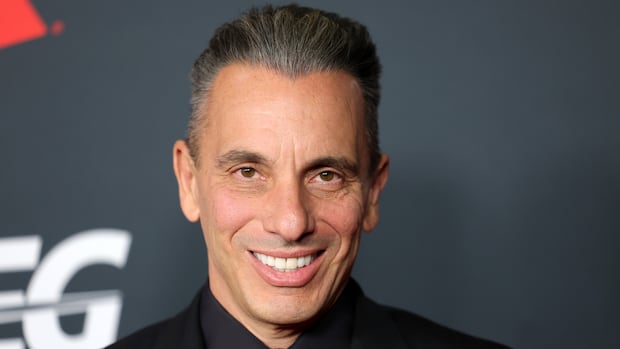
Comedian Liz Miele has recently faced a significant loss in earnings, mirroring the plight of many others in her field. SiriusXM decided to discontinue its Raw Comedy/Raw Dog channel, which previously showcased a rotating lineup of over 800 comedians, introducing a new channel spearheaded by renowned comedian Sebastian Maniscalco.
This move has left Miele and numerous working-class comedians without a crucial source of income and visibility, as affluent celebrity comics now dominate the platform. Miele shared her concerns, highlighting how SiriusXM had been a financial lifeline for her during tough times.
While Maniscalco and SiriusXM claim that the new channel will offer opportunities to comedians at various career stages, industry advocates from Stand Up for Standup present a different narrative. They reveal that the rebranded channel featured only 275 comedians last month, with a significant portion of airtime allocated to top-tier artists, sidelining many others who relied on the platform for exposure and income.
The shift has sparked discussions about the concentration of wealth within the comedy industry, with Miele emphasizing the impact on a diverse range of comedians who previously benefitted from the platform’s royalties. The changes have affected not only established comedians but also emerging talents who are now at risk of losing crucial opportunities for growth and recognition.
Canadian comedians like Danish Anwar have also felt the repercussions, witnessing a decline in their royalties from the channel. Anwar expressed concerns about the implications for his colleagues, especially those reliant on the income to sustain their careers and visas.
In response to the backlash, high-profile comedians such as Patton Oswalt and Michelle Wolf have urged Maniscalco to prioritize supporting emerging talents on the platform. Maniscalco, in turn, clarified that the decision to discontinue Raw Comedy was made by SiriusXM before his involvement, emphasizing his commitment to fostering a diverse range of comedic voices on the new channel.
As comedians navigate these challenges, there are calls for unity and advocacy within the industry to address issues of fair pay and treatment. Despite the financial setback caused by the channel’s changes, there remains hope for a collective effort to support comedians at all career stages and ensure a vibrant and inclusive comedy landscape.

