
Abdul Razaq Khan, a former translator and guide for Canadian journalists during the Afghan conflict, received a late-night message from a journalist he had previously assisted in navigating the chaotic streets of Kandahar. This occurred five years ago, while Khan was residing in Kabul after the Canadian exit from Afghanistan, working for USAID.
In 2021, as the Taliban made significant advances towards Kabul, Khan found himself reflecting on the past events that led to the rapid collapse of the government backed by Western forces. Even now, settled in Canada, he continues to grapple with the loss of his job, home, and country, expressing the sentiment that leaving his homeland was not a choice made joyfully.
Having escaped on foot across the Pakistani border just ahead of the Taliban’s arrival in the Afghan capital, Khan, like many others who had worked with Canadian media outlets such as The Canadian Press, faced threats and danger due to his association with Western organizations.
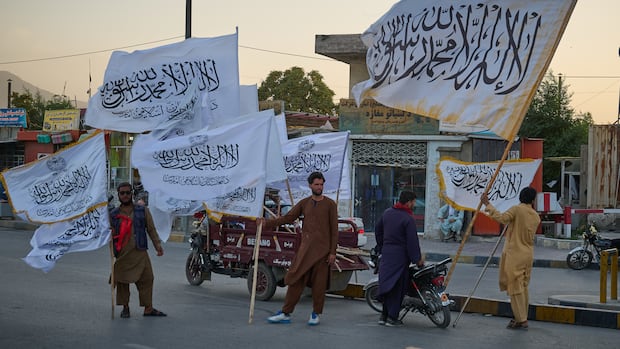
The Taliban’s resurgence resulted in the displacement of numerous Afghans and the imposition of strict, fundamentalist rule, particularly affecting women, who have experienced severe limitations on their freedoms. Reports from organizations like The Zan Times have highlighted the escalating violence against women in Afghanistan, with perpetrators often avoiding accountability under the Taliban regime.
Efforts to protect and uphold women’s rights in Afghanistan have faced challenges, with Western nations resorting to diplomatic condemnations and targeted sanctions rather than direct intervention. Some countries have initiated special humanitarian visa programs to evacuate and support high-risk individuals, including female judges, activists, journalists, and politicians from Afghanistan.
Despite these efforts, reports like the Allied Ledger by Local Staff International and AfghanEvac have revealed the shortcomings in the evacuation and resettlement processes across Western nations. While many vulnerable Afghans, including interpreters and their families, were successfully relocated, concerns remain for those still under the Taliban’s oppressive control.
Former Canadian combat commander Major-General Denis Thompson emphasized the importance of completing the evacuation efforts to ensure the safety of all eligible individuals in Afghanistan. The Allied Ledger report has underscored the varying degrees of commitment from different countries in fulfilling their promises to those who risked their lives in support of American and NATO forces during the Afghan conflict.

